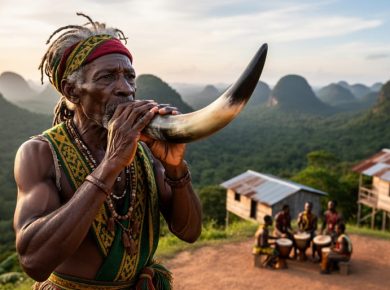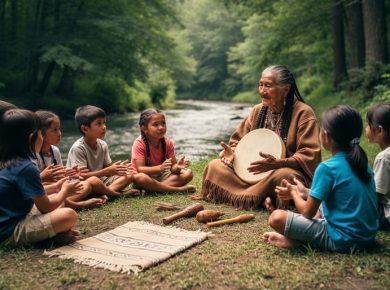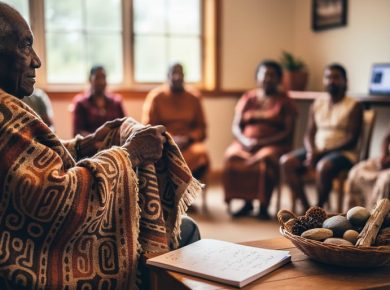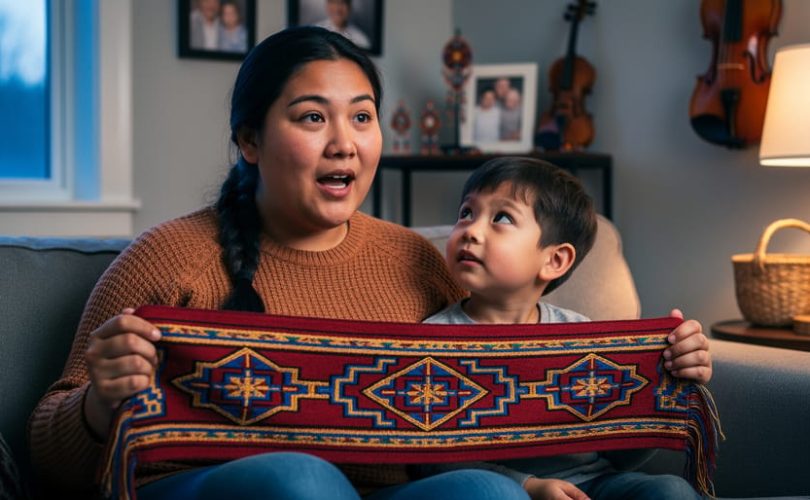
Young Métis parents carry forward centuries of knowledge through the deliberate act of sharing stories with their children—a pedagogical practice that predates formal schooling systems and continues to offer profound educational benefits today. When a Métis grandmother recounts how her family survived the dispersal following the 1885 Resistance, or when a father teaches his daughter about the symbolism woven into a traditional sash, education happens through relationship, memory, and cultural continuity.
The intersection of Métis parenthood and education exists within a complex historical landscape marked by systemic disruption. Residential schools, the Sixties Scoop, and ongoing child welfare interventions have deliberately severed intergenerational knowledge transmission in Métis communities. Despite these colonial interruptions, storytelling persists as a resilient methodology for passing forward language fragments, seasonal harvesting practices, kinship systems, and ethical frameworks that define Métis worldviews. Young Métis parents today navigate dual responsibilities: raising children within their own cultural paradigm while preparing them to succeed in educational institutions historically designed to assimilate rather than celebrate Indigenous knowledge.
Current research demonstrates what Métis communities have always known—that narrative-based learning strengthens cultural identity, improves educational outcomes, and builds psychological resilience in Indigenous youth. When education programs recognize parents as primary educators and storytellers as curriculum developers, they acknowledge the legitimacy of Métis knowledge systems. This represents a fundamental shift from deficit-based models that once positioned Indigenous parents as barriers to educational success, toward strengths-based approaches that honor their expertise.
Understanding how young Métis parents utilize storytelling requires examining both the content of these narratives and the relational contexts in which they unfold. Stories about scrip, road allowance communities, and Métis legal victories become more than history lessons—they become frameworks for understanding identity, justice, and belonging. By centering Métis voices and respecting community-defined educational priorities, we can support culturally grounded approaches that serve families while challenging persistent institutional barriers.
The Educational Landscape for Young Metis Parents
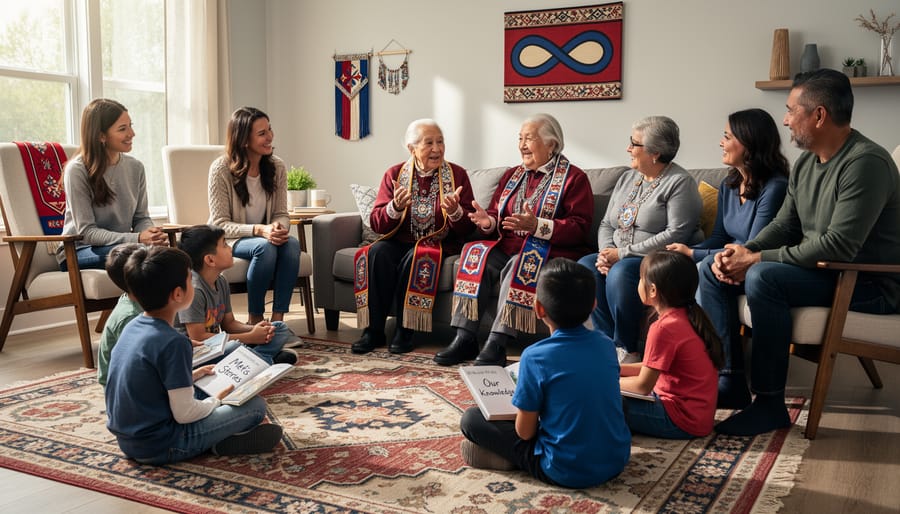
Historical Context and Intergenerational Impact
For generations, Metis families passed knowledge through storytelling, land-based learning, and the intimate sharing of cultural practices between parents and children. This educational system, rooted in reciprocal relationships and oral traditions, sustained Metis identity and knowledge systems across centuries. However, colonial interventions systematically dismantled these intergenerational pathways, creating ruptures that continue to affect Metis families today.
Residential schools forcibly removed Metis children from their homes, punishing them for speaking their languages and practicing their cultural traditions. The intergenerational impact of residential schools extends far beyond those who directly attended these institutions, affecting subsequent generations of parents who never learned traditional ways of teaching from their own families. Many survivors returned home unable to fulfill parental roles as their ancestors had, having been denied the opportunity to witness and participate in traditional child-rearing practices.
The Sixties Scoop policy further severed connections between Metis children and their communities, with thousands placed in non-Indigenous foster and adoptive homes. These children grew up disconnected from the stories, languages, and cultural knowledge their parents and grandparents would have shared. The policy created a generation of Metis parents seeking to reconnect with traditions they were prevented from learning.
Despite these disruptions, Metis communities have demonstrated remarkable resilience. Like other Indigenous peoples who preserved their heritage against systematic erasure, Metis families are reclaiming storytelling as a vital educational tool. Today’s young Metis parents face the dual challenge of healing from historical trauma while simultaneously revitalizing cultural knowledge transmission for their children.
Contemporary Challenges and Opportunities
Metis parents today navigate complex realities that intertwine historical marginalization with contemporary systemic barriers. Recent data reveals that Metis families experience poverty rates significantly higher than the national average, with particular challenges in accessing adequate housing, healthcare, and educational resources. As Metis scholar and parent Jennifer Adese notes, “We’re fighting to maintain our culture while simultaneously addressing the material needs of our children in systems not designed for us.”
Access to culturally responsive programming remains inconsistent across Canada. While some provinces have developed Metis-specific early childhood education initiatives that incorporate traditional knowledge and language revitalization, many communities lack adequate funding or infrastructure. Parents often must choose between mainstream programs that ignore their cultural identity and travelling long distances to access Metis-centered supports.
However, emerging support systems offer genuine hope. Community-led organizations are creating innovative programs that blend traditional parenting practices with contemporary needs. Virtual storytelling circles connect geographically dispersed families, allowing knowledge-keepers to share teachings with young parents. Mobile cultural programs bring resources directly to remote communities. Several Metis organizations now employ parent navigators who understand both the cultural context and bureaucratic systems, helping families access entitled benefits while maintaining cultural connection.
Technology has become an unexpected ally, with apps and online platforms facilitating language learning and connecting parents with Metis elders and educators. These developments demonstrate community resilience and the ongoing commitment to ensuring Metis children grow up understanding their heritage while thriving in modern contexts.
Storytelling as Educational Foundation in Metis Culture
Traditional Knowledge Systems and Oral Histories
For Metis people, oral tradition has served as the primary vessel for transmitting knowledge across generations, long before written records became prevalent. Storytelling was not merely entertainment but a sophisticated educational system that encoded survival skills, genealogical connections, spiritual teachings, and cultural values within narratives that could be remembered and shared. Elders held the crucial role of knowledge keepers, selecting appropriate stories for different ages and circumstances, ensuring that children learned everything from hunting techniques to the importance of reciprocity with the land.
These oral histories often centered on Michif language transmission, reinforcing linguistic identity while teaching practical wisdom. Stories about historical figures like Louis Riel or Gabriel Dumont weren’t just historical accounts but moral lessons about resistance, courage, and community responsibility. Winter evenings became classrooms where children learned about medicinal plants, seasonal patterns, and kinship obligations through tales that engaged imagination while embedding essential information.
The resilience of Metis oral tradition represents one of the most effective cultural preservation strategies among Indigenous peoples, particularly given the disruptions caused by colonization and residential schools. Contemporary Metis families continue adapting this practice, recognizing that storytelling creates emotional connections to culture that formal education alone cannot achieve. As Metis Elder Maria Campbell has emphasized, stories carry the collective memory of a people, ensuring that each generation understands who they are and where they come from, maintaining cultural continuity despite ongoing challenges to Indigenous identity and sovereignty.
The Power of Narrative in Learning
Storytelling has always been more than entertainment in Métis communities—it is a sophisticated pedagogical method that transforms abstract concepts into lived experiences. When Métis parents share stories about their ancestors’ resourcefulness during the buffalo hunt or the strategic negotiations that shaped their nation, they engage children through multiple sensory and cognitive pathways simultaneously. Visual learners see the landscape in their minds, auditory learners absorb the rhythm of the language, and kinesthetic learners feel the movement of the narrative.
This narrative approach creates emotional anchors that textbooks rarely achieve. A child learning mathematics through a story about a grandmother calculating bead patterns for Métis sashes retains the information differently than one memorizing equations in isolation. The cultural context provides meaning, and meaning drives memory. Research in educational psychology confirms what Métis communities have practiced for generations: knowledge attached to emotion and cultural identity becomes deeply embedded.
For parents who may have experienced educational systems that dismissed or erased their heritage, storytelling offers a reclamation of authority. They become the experts, sharing knowledge that academia cannot replicate. This shift empowers parents who might feel intimidated by conventional educational settings, allowing them to recognize their wealth of knowledge. Children benefit doubly—they learn both the content and the meta-lesson that their culture holds valuable wisdom. Storytelling democratizes education, making it accessible across literacy levels, ages, and formal educational backgrounds, while honoring the interconnected nature of Métis knowledge systems.
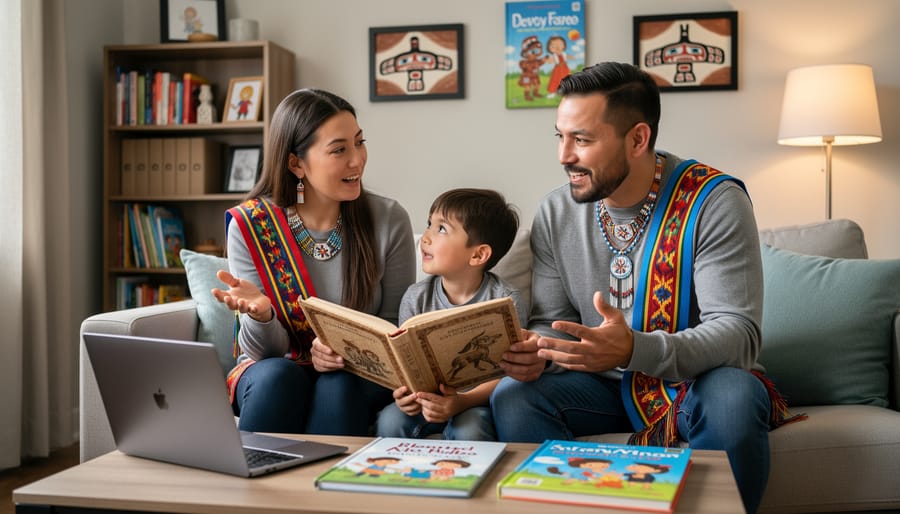
Programs and Approaches: Young Metis Parents and Education through Storytelling
Community-Led Initiatives
Across Metis communities, grassroots initiatives are reclaiming traditional knowledge systems and creating culturally grounded spaces for parent education. These community-led programs recognize that the most effective approaches emerge from within Metis families themselves, honouring the wisdom of Elders and the lived experiences of contemporary parents.
Storytelling circles have become central to many of these initiatives, creating safe spaces where Metis parents gather to share experiences, challenges, and traditional knowledge. In Manitoba’s Red River region, the Grandmother Circle brings together parents and Elders weekly, weaving together parenting advice with traditional narratives. As Elder Marie Delorme explains, “When we share stories, we’re not just talking about the past. We’re teaching our young parents how to raise strong Metis children who know who they are.”
Language revitalization efforts are increasingly incorporating parent education components. The Michif Language Program in Saskatchewan has developed family learning sessions where parents and children learn together, strengthening both linguistic skills and family bonds. These programs acknowledge that parents often feel disconnected from their heritage language due to historical disruptions, creating non-judgmental environments for intergenerational learning.
Cultural teachings about traditional child-rearing practices are being documented and shared through community workshops. The Gabriel Dumont Institute has supported local communities in developing parent education modules that integrate beadwork, traditional food preparation, and seasonal activities as vehicles for teaching parenting skills. These initiatives demonstrate how cultural practices naturally encompass lessons about patience, creativity, and nurturing relationships.
Community members emphasize that these grassroots programs succeed because they emerge from Metis values of collectivity and mutual support. Rather than imposing external frameworks, they trust in the knowledge systems that have sustained Metis families for generations, adapting them thoughtfully to contemporary contexts.
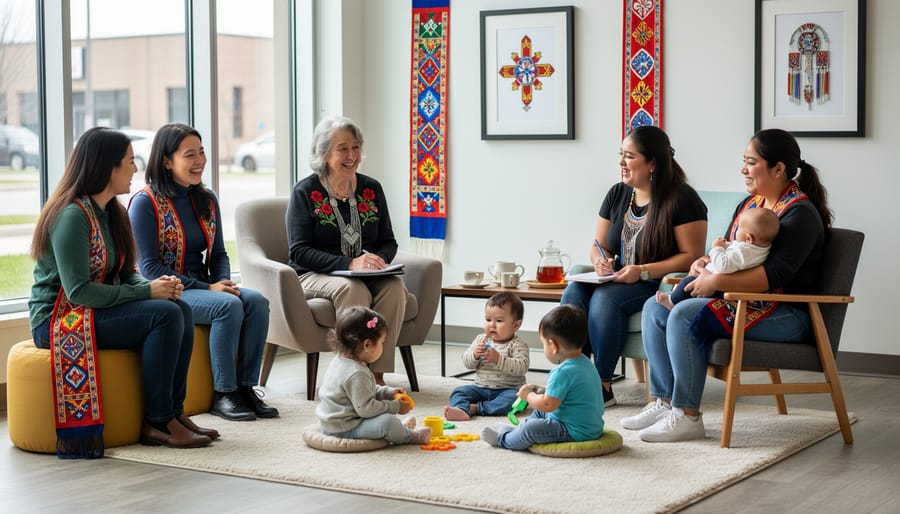
Institutional Partnerships and Support
Recognizing the critical need for culturally responsive approaches, educational institutions, health organizations, and government agencies across Canada are increasingly partnering with Metis communities to develop programming that honors traditional knowledge systems while supporting contemporary Metis families. These partnerships represent a significant shift from historical top-down approaches toward collaborative models that center Metis voices and self-determination.
The Gabriel Dumont Institute in Saskatchewan exemplifies this collaborative approach, working alongside provincial school boards to integrate Metis history, language, and storytelling methods into curriculum frameworks. As Metis educator Maria Campbell shares, “When institutions listen to our communities and allow us to lead in designing programs, we create spaces where our children see themselves reflected and valued.”
Health organizations like the Metis Nation of Ontario have established family wellness programs that combine traditional healing practices with contemporary health supports. These initiatives recognize that supporting young Metis parents requires addressing holistic wellbeing within cultural contexts. Elder Louise Gladu notes, “Our young parents thrive when they can access services that respect our ways of knowing and being.”
Government agencies, including provincial ministries of education, are increasingly funding Metis-led literacy programs that employ storytelling as a primary pedagogical tool. The Louis Riel Institute’s Early Years programs demonstrate how institutional support, when guided by community expertise, creates sustainable outcomes. These partnerships succeed when they prioritize Metis governance, adequate long-term funding, and genuine commitment to reconciliation rather than superficial engagement.
Voices from the Community: Metis Parents Share Their Stories
Marie Whitford, a 24-year-old Metis mother from Manitoba, remembers the turning point in her parenting journey. “I was struggling to help my daughter understand who we are as Metis people,” she shares. “The school curriculum barely touched on our history, and I felt disconnected from my own cultural knowledge.” Through a community-based storytelling program in her region, Marie discovered how traditional narratives could bridge generational gaps while educating her children. “Learning the stories my kokum told, about the Red River resistance and our ancestors’ resilience, gave me confidence as a parent and educator.”
For Joshua Lavallee, 26, from Saskatchewan, engaging with storytelling-based education transformed his approach to fatherhood. “I’m raising my son alone, and I wanted him to grow up proud of being Metis,” he explains. “The storytelling circles taught me that education isn’t just about books—it’s about passing down values, language, and history through our voices.” Joshua particularly values how these programs created space for fathers, often underrepresented in parenting discussions. “Hearing other Metis dads share their struggles and successes helped me realize I wasn’t alone.”
The challenges young Metis parents face are significant. Twenty-two-year-old Kiera Boucher from Alberta notes, “There’s this constant battle against erasure. Mainstream education often ignores or misrepresents Metis history, so we have to work twice as hard to ensure our kids know their truth.” This form of cultural resistance through storytelling empowers families to reclaim their narratives. Kiera participated in an intergenerational program pairing young parents with Elders, describing it as “life-changing—I learned stories I never heard growing up, and now I’m passing them to my twins.”
Success stories reveal the profound impact of culturally grounded approaches. Thomas Arcand, 27, credits storytelling programs with strengthening his family bonds. “My kids now ask me to tell them about Louis Riel, about the Michif language, about our traditional practices,” he shares proudly. “They’re learning critical thinking by understanding different perspectives on our history.”
These parents emphasize that authentic Metis voices must lead educational initiatives. As Marie concludes, “When we tell our own stories, we’re not just educating our children—we’re healing ourselves and building stronger communities for future generations.”
Practical Strategies for Integrating Storytelling into Learning
For young Metis parents seeking to weave storytelling into educational practices, beginning with small, intentional steps creates sustainable traditions that honor cultural heritage while supporting contemporary learning goals. Elders and educators within Metis communities have long understood that stories carry knowledge across generations, and today’s parents can draw upon this wisdom while adapting it to modern family life.
Start by connecting with local Metis organizations, friendship centres, or cultural programs where families gather to share stories. These spaces provide opportunities to hear stories from Elders and experienced storytellers, offering models for how narratives convey everything from mathematics concepts embedded in beadwork patterns to historical understanding through family migration tales. Maria Belcourt, a Metis educator from Alberta, notes that “when parents hear stories in community settings first, they gain confidence in their own storytelling abilities and understand the educational potential within each narrative.”
Creating a family storytelling practice that supports educational goals involves deliberate but flexible steps:
- Establish a regular storytelling time, whether during meals, before bed, or weekend mornings, making it a predictable part of family rhythm.
- Begin with stories you know from your own childhood or family history, even fragments or partial memories, as authenticity matters more than perfection.
- Connect stories to what children are learning in school, such as sharing a grandparent’s experience with seasons when studying science or discussing historical family decisions when exploring social studies.
- Invite children to contribute their own stories and observations, creating dialogue rather than one-way transmission of knowledge.
- Document stories through audio recordings, written notes, or collaborative family projects that children can revisit as they grow.
Parents can also integrate storytelling into everyday moments. During nature walks, share knowledge about plants or animals passed down through generations. While preparing traditional foods, explain the stories behind recipes and their connections to Metis history and land-based practices. These informal opportunities often resonate most powerfully with children because learning emerges naturally from lived experience.
For parents still developing their own cultural knowledge, learning alongside children demonstrates that education is a lifelong journey. Reading Metis authors together, attending cultural events as a family, and asking questions of knowledge keepers models the respectful curiosity that sustains cultural connection across generations.
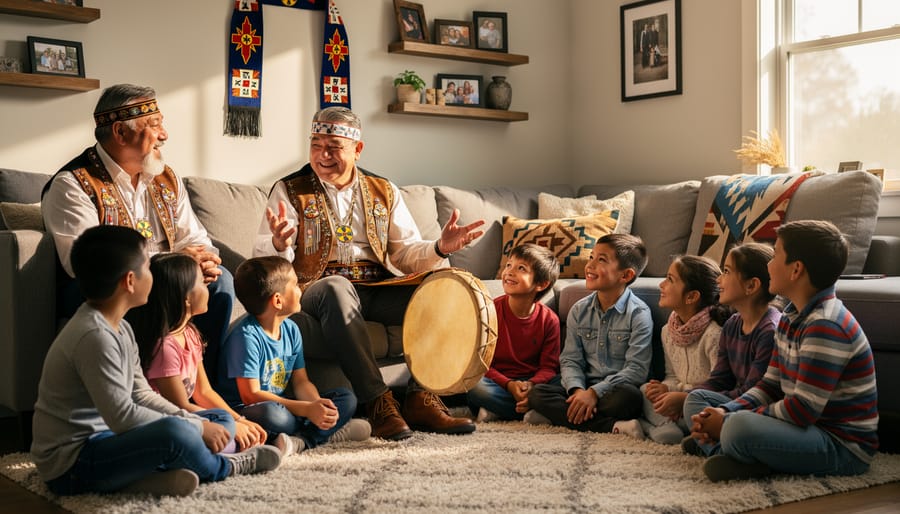
Building Supportive Ecosystems for Metis Family Education
Sustaining storytelling-based education for young Metis parents requires coordinated support across multiple levels. Community organizations, educational institutions, and government bodies must work together to create environments where cultural transmission can flourish alongside contemporary learning needs.
At the community level, Metis-led organizations need stable, long-term funding to develop and deliver programs that honor traditional knowledge systems. Elder compensation, space rental, materials for cultural activities, and staff training all require financial resources that recognize the expertise and labor involved in cultural education. Marie Belcourt, a program coordinator in Manitoba, observes: “When we adequately resource our programs, we can offer consistent support that builds trust with young families. Sporadic funding creates gaps that disrupt relationships and learning.”
Educational institutions, from early childhood centers to post-secondary schools, must integrate Metis perspectives throughout their curricula and operations. This means hiring Metis educators, incorporating storytelling methodologies into teacher training, and creating physical spaces that reflect Metis aesthetics and values. Schools should partner with Metis communities rather than extracting knowledge, ensuring that cultural content remains grounded in community authority and preserving cultural identity.
Policy frameworks must address historical inequities while supporting Metis self-determination in education. This includes recognizing Metis governance over cultural knowledge, providing adequate resources for language revitalization, and removing barriers that prevent young parents from accessing both cultural programming and formal education. Flexible scheduling, childcare support, and acknowledgment of cultural learning as legitimate educational achievement are essential policy considerations.
Technology can extend storytelling’s reach when guided by community values. Digital archives, online learning platforms, and virtual gathering spaces offer opportunities for geographically dispersed families, provided communities control how knowledge is shared and accessed. The goal remains building systems that serve Metis families rather than expecting families to adapt to non-Indigenous structures.
The integration of Metis storytelling traditions with educational support for young parents represents more than a pedagogical approach—it embodies a pathway toward cultural reclamation and community resilience. As Metis families navigate contemporary educational systems while honoring ancestral knowledge, they demonstrate that cultural continuity and modern learning are not opposing forces but complementary strengths that enrich both parent and child.
Throughout this exploration, the voices of Metis parents, Elders, and educators have illuminated how storytelling serves as a vessel for transmitting language, values, and identity across generations. These narratives carry within them the survival strategies, humor, and wisdom that sustained Metis communities through periods of marginalization and cultural suppression. When young parents engage with these stories while pursuing their own education, they participate in an act of resistance and renewal, asserting their right to define success on their own terms.
The transformative potential of culturally responsive programs lies in their recognition that Metis parents possess inherent knowledge and capabilities. Rather than imposing external frameworks, effective initiatives build upon existing community strengths, creating spaces where traditional teachings and contemporary skills converge. This approach acknowledges that education extends beyond institutional walls—it happens in kitchens, at gatherings, and through the everyday practice of raising children within cultural traditions.
Moving forward, the sustainability of these educational initiatives depends on genuine community leadership, adequate resources, and sustained commitment to Metis self-determination. As more young Metis parents reclaim their educational narratives through culturally grounded approaches, they not only transform their own families’ futures but strengthen the collective fabric of Metis nationhood, ensuring that future generations inherit both educational opportunity and cultural identity intact.