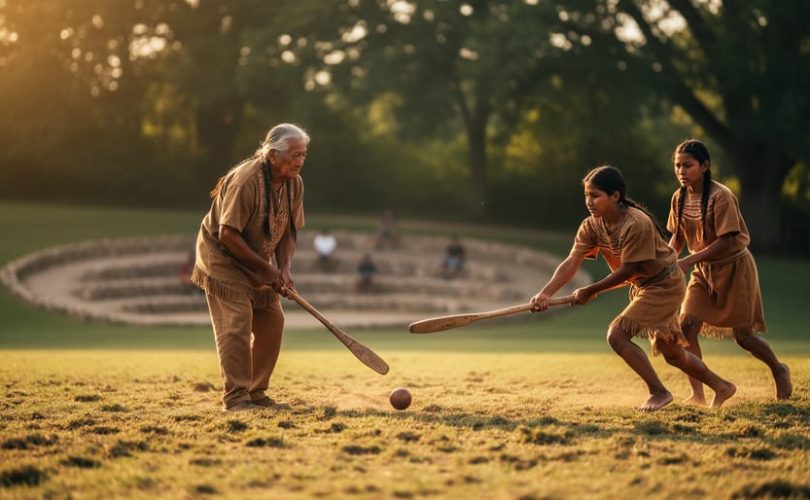
Indigenous games are living archives of cultural knowledge, worldviews, and community values that have sustained Aboriginal and Native peoples across millennia. Far from simple recreational activities, these traditional games encode sophisticated systems of physical training, spiritual teaching, conflict resolution, and kinship building. They represent community-led methodologies for transmitting ecological knowledge, reinforcing social structures, and maintaining cultural continuity through embodied practice.
Contemporary research into indigenous games requires frameworks that honor community ownership, oral histories, and intergenerational transmission methods. Academics and cultural workers now recognize that studying these practices demands collaborative approaches where indigenous communities define research questions, control data collection, and determine how knowledge is shared. This shift acknowledges decades of extractive research practices and centers the voices of knowledge keepers who have safeguarded these traditions through colonization, forced assimilation policies, and systematic cultural suppression.
The significance of indigenous games extends well beyond historical documentation. Communities across North America are actively revitalizing traditional games as tools for youth engagement, mental health support, language reclamation, and cultural identity strengthening. Games like lacrosse, shinny, handgames, and bone games carry teachings about respect, reciprocity, and relationship to land that remain profoundly relevant in 2026. When elders teach traditional games, they pass on vocabulary, songs, protocols, and values embedded within the play itself.
Understanding indigenous games requires recognizing them as dynamic, evolving practices rather than frozen artifacts. Communities adapt games to contemporary contexts while maintaining core cultural principles. The challenge for researchers, educators, and cultural workers lies in supporting indigenous-led revitalization efforts without appropriating practices or removing them from their cultural moorings. This article examines current research methodologies, explores the wellness dimensions of traditional games, highlights successful community revitalization initiatives, and addresses the ongoing challenges of cultural preservation in partnership with indigenous communities themselves.
The Living History of Indigenous Games
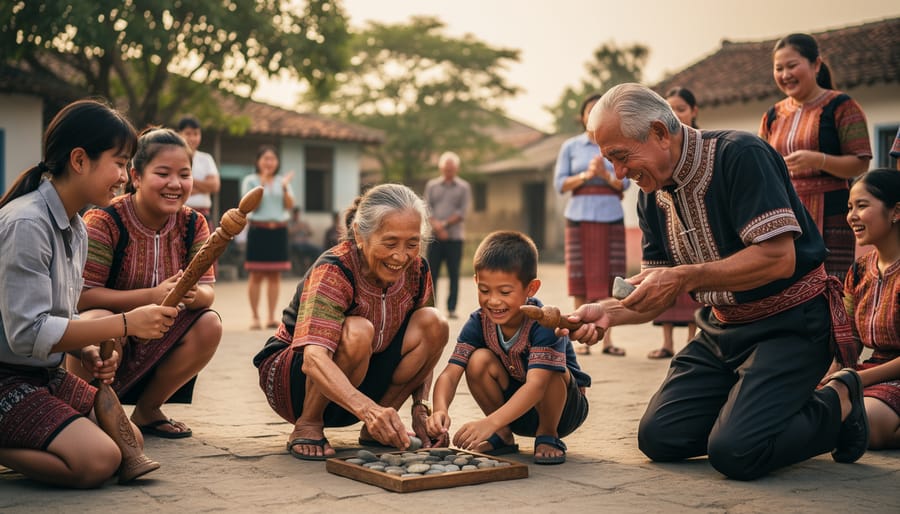
Games as Cultural Teachers
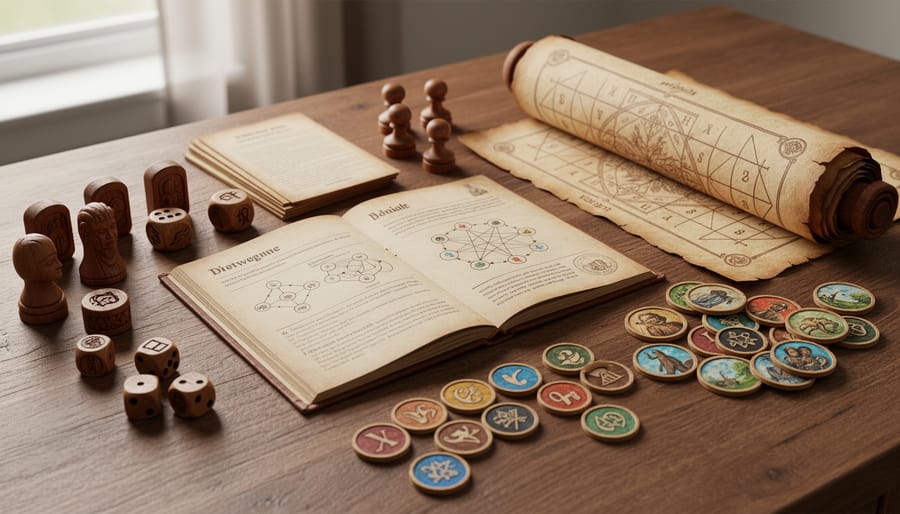
Traditional games served as sophisticated educational systems within Aboriginal and Native American societies, transmitting survival knowledge through embodied practice rather than abstract instruction. Children learned to read animal tracks and movement patterns by mimicking prey in chase games, developing the observational precision required for successful hunts. Games involving throwing stones or spears at moving targets built accuracy while teaching patience and the controlled breathing essential for stalking game.
Seasonal awareness became intuitive through play timed to natural cycles. Arctic communities played string games during winter darkness, the complex finger patterns teaching dexterity needed for net-making and trap-setting while oral stories embedded in each pattern conveyed navigational knowledge and weather prediction. Plains nations used games with counting sticks to teach celestial navigation and the timing of buffalo migrations, connecting play directly to community survival.
Cooperative games reinforced collective responsibility over individual achievement. Many traditional contests required players to succeed as a group, teaching conflict resolution, resource sharing, and the understanding that community wellbeing depended on each member’s contribution. Strategic thinking developed through games of chance and skill that required reading opponents, adapting tactics, and accepting outcomes with dignity, lessons that extended far beyond the playing field into diplomatic negotiations and resource management.
Each game carried layers of meaning: physical skills, ecological knowledge, social protocols, and spiritual teachings woven together in a single activity, making play inseparable from cultural transmission.
Regional Diversity in Traditional Play
Geography shaped how indigenous peoples played, and each landscape gave rise to distinct game traditions reflecting local resources, seasonal rhythms, and survival priorities. Arctic communities developed games testing endurance and strength vital for hunting in extreme cold, contests like the Knuckle Hop and One-Foot High Kick demanded explosive power and pain tolerance. Plains nations created running and ball games across vast grasslands, like Shinny (a precursor to lacrosse) that built stamina for bison hunts and emphasized teamwork across large territories.
Coastal peoples incorporated water-based skills into their play. Northwest Coast communities practiced canoe races and games requiring balance and coordination essential for ocean travel and fishing. Desert nations in the Southwest developed games suited to arid climates, including kick-ball races spanning dozens of miles that tested heat endurance and wayfinding abilities. The Tohono O’odham people’s tradition of kicking a small ball while running through desert terrain combined spiritual practice with physical conditioning.
These regional Indigenous game traditions weren’t random variations but intentional adaptations. Each game responded to its environment while encoding cultural knowledge specific to place, understanding ice conditions, reading weather patterns, knowing animal behavior, navigating by landscape features. A child learning traditional games simultaneously learned how to survive and thrive within their homeland’s unique demands.
Contemporary Research and Documentation Efforts
Community-Driven Documentation
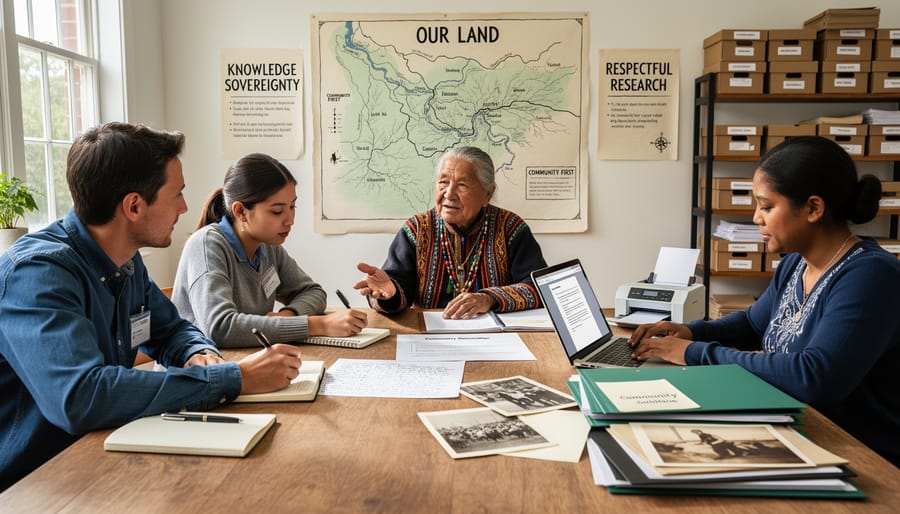
Indigenous communities across North America have fundamentally shifted the research paradigm, asserting that traditional games documentation must flow from community voices rather than external observers. Elders, knowledge keepers, and cultural practitioners now lead initiatives that center oral histories as primary sources, recognizing that game knowledge lives in storytelling, ceremony, and lived practice. These community-driven projects use participatory methods where researchers collaborate as invited guests, not extractors, with local people determining what gets recorded, how it’s interpreted, and who accesses it.
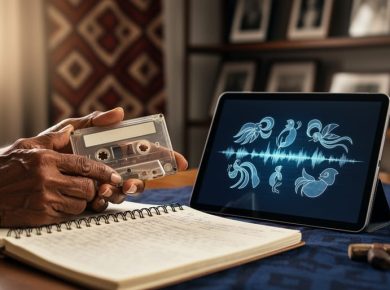
Digital archiving technologies have become powerful tools when communities control the platforms. Nations are creating password-protected databases, video repositories with restricted access levels, and media collections that require community permission for viewing. Some materials remain entirely offline, shared only in person during cultural gatherings, a deliberate choice honoring sacred or restricted knowledge.
This approach embodies indigenous data sovereignty principles, where communities maintain authority over cultural information throughout the research lifecycle. Young people trained in both traditional knowledge and documentation technology bridge generations, recording games during community events while elders provide context about seasonal timing, spiritual protocols, and historical variations. The Haudenosaunee Lacrosse Project and similar initiatives demonstrate how communities blend modern recording methods with traditional teaching structures, ensuring knowledge transmission happens on their terms. Documentation becomes an act of cultural reclamation, not academic collection.
Academic Partnerships and Ethical Frameworks
The relationship between academic institutions and indigenous communities in traditional games research has undergone significant transformation over the past two decades. Universities and research centres increasingly recognize that ethical collaboration requires more than institutional review board approval, it demands meaningful partnership, shared decision-making, and genuine reciprocity that benefits communities first.
Ethical protocols now centre indigenous research sovereignty. Many communities have developed their own research agreements and review processes that academic partners must honour before any study begins. These frameworks typically require researchers to present proposals to community councils, obtain consent from knowledge holders, and commit to returning findings in accessible formats. Some nations maintain cultural research committees that oversee all external inquiries, ensuring that traditional games knowledge remains under community control and isn’t extracted for purely academic gain.
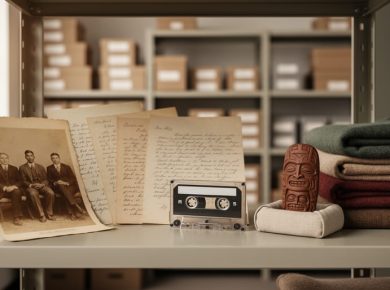
Intellectual property considerations have become particularly critical in games documentation. Unlike conventional academic models where researchers own their data, indigenous-led frameworks assert that cultural knowledge, including game rules, protocols, and associated stories, belongs to the community regardless of who records it. Progressive institutions now sign agreements acknowledging community ownership, restricting publication of sensitive material, and sharing any revenue generated from research outputs. This shift recognizes that documenting traditional games involves working with primary source media held by living communities, not passive subjects of study.
Reciprocal benefits extend beyond academic citations. Meaningful partnerships provide communities with resources, funding for youth programs, training for community researchers, equipment for documentation, and platforms for sharing knowledge on their own terms. The most successful collaborations position academic institutions as supporters of community goals rather than extractors of data.
Games as Pathways to Physical and Mental Wellness
Physical Health Benefits Rooted in Tradition
Traditional games offer indigenous communities a culturally grounded pathway to physical wellness that honours ancestral approaches to movement and body knowledge. Unlike imposed exercise regimens that may feel disconnected from cultural identity, these games embed physical activity within familiar social contexts and seasonal rhythms that have sustained community health for millennia.
Many traditional games demand sustained cardiovascular effort, balance, and coordination. Inuit games like the one-foot high kick or knuckle hop build explosive power and endurance originally needed for hunting in harsh conditions. Lacrosse, practiced across numerous Native American nations, provides aerobic conditioning comparable to contemporary sports while maintaining its spiritual significance. Hand games and target competitions develop fine motor skills and hand-eye coordination through repetitive practice that feels like play rather than prescribed therapy.
These activities address contemporary health challenges facing indigenous communities, diabetes, cardiovascular disease, obesity, through movement that respects indigenous concepts of wellness as holistic rather than merely physical. The games often occur outdoors, reconnecting participants with land and seasonal patterns. They incorporate all ages and ability levels, avoiding the exclusionary aspects of competitive Western sports.
Significantly, traditional games frame the body not as a machine requiring optimization but as part of an interconnected system linking physical, emotional, spiritual, and community health. This worldview, embedded in game participation, offers a culturally coherent approach to wellness that external health interventions often lack.
Cultural Reconnection and Mental Wellness
When youth step into a circle to play a game their grandparents knew, something shifts. The movements, the laughter, the shared rhythm, these aren’t just physical activities. They’re threads reconnecting fractured identity, pathways back to belonging in communities where historical trauma has severed cultural continuity.
Indigenous games create safe spaces for young people to experience their heritage through their bodies rather than textbooks. A Cree teen learning to play snow snake isn’t memorizing facts about their culture; they’re inhabiting it. The game becomes a bridge between generations, with elders sharing not just rules but stories, language, and the lived knowledge embedded in each movement. This embodied learning addresses what psychologists call “cultural discontinuity”, the painful gap many indigenous youth feel between their heritage and their daily lives.
Research shows this reconnection has measurable mental health benefits. Communities reporting active traditional games programs also document decreased youth depression and anxiety, improved self-esteem, and stronger cultural identity markers. The games provide what clinical interventions often cannot: a joyful, communal way to process historical grief while building resilience through cultural pride.
The therapeutic power lies partly in reclaiming agency. Colonial systems told indigenous peoples their traditions were primitive, worth abandoning. When communities revive these games on their own terms, they’re asserting cultural sovereignty. Youth learn their ancestors weren’t defeated, their knowledge survived, waiting to be picked up again.
Revitalization Movements and Cultural Reclamation
Youth Engagement and Language Revitalization
Traditional games create a natural space for indigenous language learning that formal classroom settings often struggle to replicate. When elders teach young people games like waltes, double ball, or snow snake, they share instructions, strategies, and cultural context in their native tongues. The physical, interactive nature of play makes language acquisition intuitive, children learn directional terms while throwing, counting systems while scoring, and descriptive vocabulary for equipment and terrain. Unlike rote memorization, this contextual learning embeds language in lived experience and joy.
These teaching moments rebuild intergenerational connections disrupted by residential schools and forced assimilation. Youth gain access to knowledge holders who carry not just game rules but the stories, protocols, and worldviews woven into each activity. Elders find renewed purpose sharing skills they feared might die with them. A grandmother teaching her granddaughter the fingering patterns for string games passes along spatial reasoning, problem-solving approaches, and narrative traditions simultaneously.
The confidence young people gain through mastering traditional games extends beyond athletic skill. Learning a game their ancestors played for centuries fosters cultural pride and identity formation during critical developmental years. Youth who excel at traditional activities often become community teachers themselves, creating cascading effects across generations. They recognize themselves as carriers of living traditions, not passive recipients of historical information, which fundamentally shifts how they understand their place within their communities and the broader world.
Regional Gatherings and Competition Events
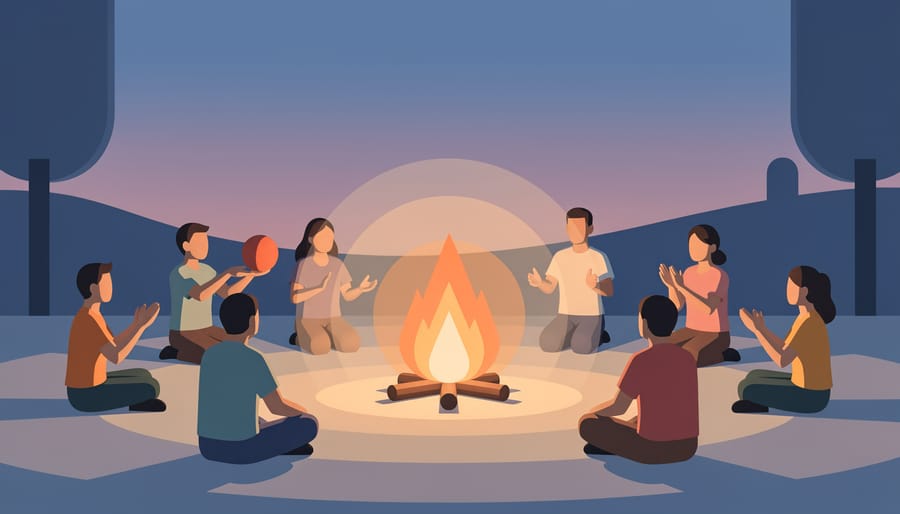
Indigenous games gatherings have emerged as powerful spaces where communities come together to celebrate athletic skill, cultural knowledge, and collective resilience. Events like the North American Indigenous Games, held biennially since 1990, bring together thousands of indigenous athletes across multiple sports, including traditional games alongside contemporary competitions. These festivals create rare opportunities for youth from geographically distant communities to meet peers who share similar cultural experiences and challenges.
Regional gatherings serve multiple functions beyond competition. The Arctic Winter Games incorporate Inuit, Dene, and other northern indigenous games like the one-foot high kick and kneel jump, creating cultural exchange among circumpolar peoples. Similarly, events like the Gathering of Nations powwow in Albuquerque feature traditional games demonstrations alongside dance competitions, attracting over 500 tribes and 100,000 visitors annually.
These gatherings strengthen inter-community networks that support knowledge sharing, political solidarity, and cultural innovation. Elders teach traditional games to participants from other nations, expanding the reach of practices that might otherwise remain localized. Youth forge friendships and mentorship relationships that persist beyond the events themselves.
Competition formats vary deliberately. Some gatherings emphasize participation and cultural learning over winning, while others embrace competitive frameworks that honor athletic excellence within traditional practices. This flexibility reflects diverse community values while creating inclusive spaces where indigenous games thrive as living, evolving traditions rather than museum pieces.
Challenges in Preservation and Revival
Despite renewed interest in revitalizing indigenous games, communities face significant barriers that demand honest acknowledgment. The loss of knowledge holders remains perhaps the most urgent challenge, elders who carry detailed understanding of game rules, protocols, and cultural contexts are passing without sufficient documentation or transmission to younger generations. This knowledge gap isn’t merely about forgotten rules; it represents the loss of entire worldviews embedded in how games were taught, when they were played, and what values they reinforced.
Funding constraints severely limit preservation efforts. While mainstream sports receive substantial government and corporate support, indigenous games initiatives typically operate on shoestring budgets cobbled together from small grants. Communities must navigate complex application processes designed for Western institutions, often requiring documentation methods that conflict with oral transmission traditions. This financial precarity affects everything from hosting gatherings to compensating elders for their time to creating educational materials.
Colonization’s ongoing impacts compound these practical obstacles. Residential schools and assimilation policies deliberately disrupted cultural transmission, creating generations who never learned traditional games. The resulting cultural disconnection means some community members question the relevance of “old ways” in contemporary life. Reconnecting requires healing work that extends beyond simply teaching game mechanics, it involves addressing internalized shame, rebuilding cultural confidence, and creating safe spaces for learning without judgment.
Appropriation concerns create another layer of complexity. As indigenous games gain visibility, non-indigenous groups sometimes adopt them without permission, strip away cultural protocols, or commercialize them for profit. Communities must balance sharing their traditions with protecting knowledge sovereignty their right to control how cultural practices are used, taught, and represented. This tension becomes particularly acute when schools or organizations want to include indigenous games but lack meaningful community relationships or cultural understanding.
The authenticity-versus-adaptation question poses difficult choices. Some games required specific environments or materials no longer readily available. Should communities modify games for contemporary contexts, or does adaptation risk diluting cultural integrity? Different communities answer differently, but the debate itself can stall revitalization efforts. Youth sometimes perceive traditional games as outdated compared to modern sports, requiring creative approaches that honor authenticity while demonstrating contemporary relevance. Navigating these tensions demands community-led decision-making that respects both cultural continuity and the reality that all living traditions evolve.
Indigenous games stand at the intersection of cultural survival and community healing. They are not relics to be preserved in museums, but living practices that continue to teach, connect, and empower communities across Turtle Island and beyond. Every time an elder teaches a young person the rules of a traditional game, knowledge flows forward. Every gathering where these games are played becomes an act of cultural reclamation, pushing back against centuries of forced assimilation.
The research and revitalization efforts underway across Aboriginal and Native American communities demonstrate remarkable resilience. Communities are reclaiming control over their cultural knowledge, setting their own research agendas, and determining how their traditions are documented and shared. This self-determination matters deeply. It ensures that indigenous games remain rooted in the communities they belong to, rather than becoming subjects of extractive academic study or commercial appropriation.
Supporting these efforts requires more than passive interest. Funding agencies must prioritize indigenous-led initiatives and respect community timelines that honor cultural protocols rather than grant cycles. Educational institutions can create space for traditional games in curricula, but only when indigenous educators lead that integration. Researchers from outside communities must approach collaboration with humility, understanding that access to cultural knowledge is a privilege, not a right.
The future of Aboriginal and Native American Traditional Games Research lies in the hands of the communities themselves. As more youth reconnect with these practices, as more elders share their knowledge, and as more communities gather to play, the circle strengthens. These games carry forward languages, values, and ways of being that colonization attempted to erase. Their continuation is more than cultural preservation, it is an assertion of presence, sovereignty, and the enduring vitality of indigenous peoples. The work continues, led by communities who understand that to play these games is to honor the ancestors while nurturing the generations yet to come.