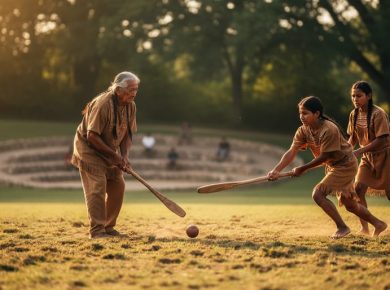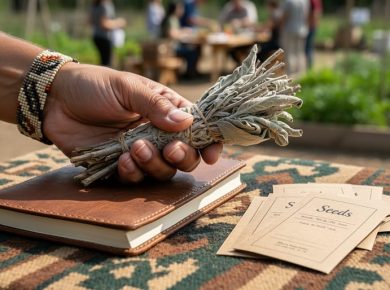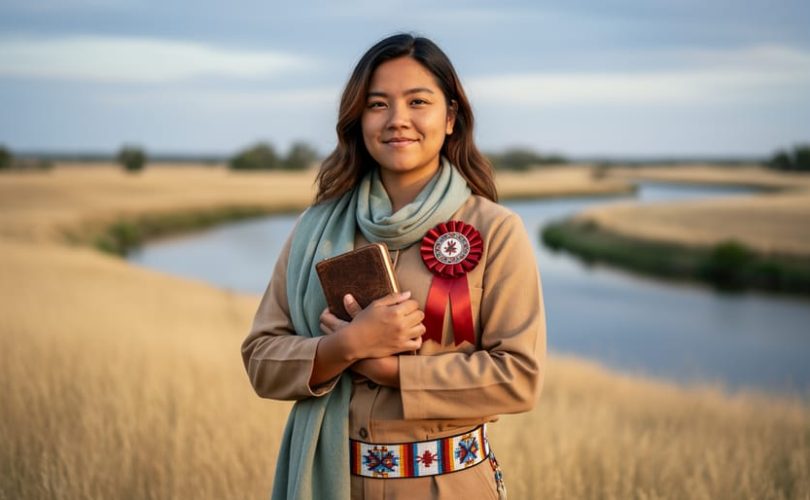
Quotes about identity and belonging are memorable expressions that articulate how individuals understand who they are, where they come from, and where they fit within their communities and the broader world. These statements, whether drawn from Elders’ teachings, contemporary Indigenous scholars, literary figures, or personal reflections, serve as anchors for self-understanding and collective connection, particularly within Métis and other Indigenous communities where colonial disruption has historically fractured these bonds.
The power of such quotes lies in their ability to capture complex truths in forms that can be remembered, shared, and returned to during moments of uncertainty or transformation. For Métis people navigating questions of cultural continuity, language reclamation, and kinship systems, a single well-chosen phrase from a respected knowledge keeper can validate experiences that mainstream narratives often erase or misrepresent. These expressions function as what Métis scholar Brenda Macdougall describes as “inheritances of knowledge,” carrying forward understandings of family, community protocol, and relationship to land that written policies attempted to sever.
Understanding how identity and belonging quotes work requires recognizing them not as decorative additions to speeches or social media posts, but as tools with genuine cultural and psychological function. They bridge individual experience with collective memory. They affirm that struggles with fitting in, reclaiming heritage, or reconciling multiple identities are shared across generations. They provide language for feelings that colonization deliberately tried to silence.
This article examines what makes quotes about identity and belonging meaningful in Indigenous contexts, explores the different types and their cultural sources, and outlines how Métis communities and organizations apply these expressions in youth programming, healing circles, and educational initiatives to strengthen cultural continuity and individual well-being.
What Identity and Belonging Quotes Mean in Métis Contexts

Identity and belonging quotes in Métis contexts are powerful expressions, spoken, written, or passed down orally, that capture the lived reality of being Métis. These aren’t abstract philosophical statements. They are grounded declarations of who Métis people are, where they come from, and how they relate to land, family, and community. A quote might come from an Elder speaking at a gathering, a historical leader like Louis Riel addressing his people, or a contemporary Métis writer reflecting on reconnection. What ties them together is their function: they articulate experiences of self and place that are distinctly Métis, shaped by a unique history of mixed Indigenous and European ancestry, resistance, displacement, and resilience.
These expressions serve as cultural touchstones. When a young person hears an Elder say, “We are the children of the river lots,” or reads Riel’s words about defending Métis rights, those phrases become anchors. They affirm that Métis identity is real, valid, and rooted in centuries of shared experience. They counter narratives of erasure or assimilation by asserting Métis peoplehood in clear, memorable language.
- Identity quotes
- Expressions that articulate who Métis people are, their origins, values, and distinct cultural position as a nation born from Indigenous and European heritage.
- Belonging quotes
- Statements that affirm connection to Métis communities, land, kinship networks, and shared history, reinforcing a sense of place and collective membership.
- Métis peoplehood
- The recognition of Métis as a distinct Indigenous nation with its own language (Michif), culture, governance structures, and collective rights, not merely mixed ancestry.
- Cultural affirmation
- The process of validating Métis experiences and identity through language and story, countering historical denial or marginalization.
- Oral tradition
- The practice of transmitting knowledge, values, and identity through spoken word across generations, a foundational method of cultural preservation in Métis communities.
Understanding these quotes requires recognizing that Métis identity has always been contested terrain. Generations faced pressure to choose one heritage over another, or were told they didn’t belong anywhere. In this context, a well-chosen phrase becomes more than words, it’s a lifeline, a rallying cry, and a reminder that Métis culture has always existed on its own terms, not as a hyphenated compromise.
How Identity and Belonging Quotes Work to Strengthen Métis Communities
Cultural Transmission Through Language
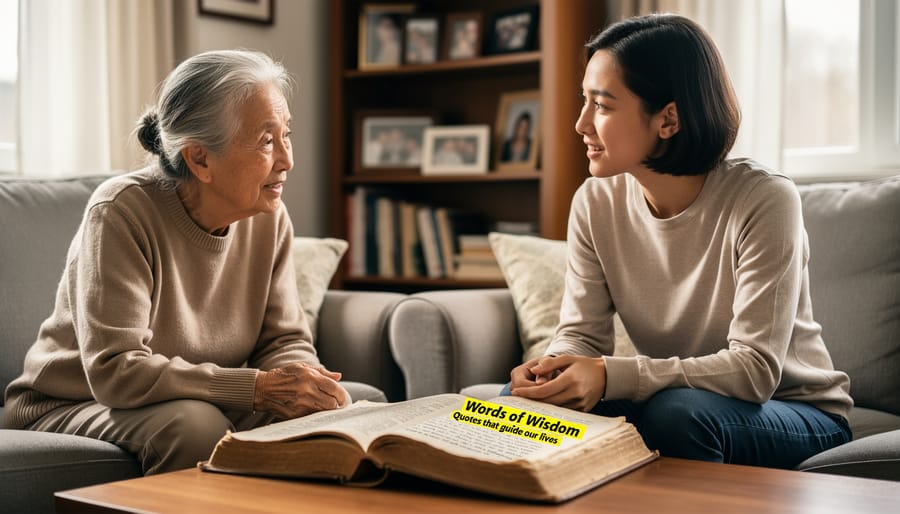
Michif language phrases embedded in identity quotes serve as vessels for worldviews that standard English cannot fully capture. When Elders share sayings that blend Cree verbs with French nouns, they transmit more than vocabulary, they pass down a distinctly Métis way of perceiving kinship, land relationships, and community responsibility that emerged from centuries of cultural synthesis. These linguistic fragments preserve grammar structures and conceptual frameworks that might otherwise disappear as fewer fluent Michif speakers remain.
Quotes carrying traditional teachings encode cultural knowledge about seasonal patterns, ethical principles, and social protocols in compact, memorable forms. A single phrase about harvest timing or dispute resolution can contain layered meanings that youth gradually unpack as they mature, creating ongoing dialogue between generations. This intergenerational transmission of heritage through carefully chosen words ensures that younger Métis people inherit not just facts but the reasoning patterns and values that shaped their ancestors’ decisions. The repetition of these expressions in ceremonies, family gatherings, and community events reinforces their authority while allowing each generation to interpret them within contemporary contexts.
Validation and Recognition
Quotes that reflect Métis realities create moments of recognition, “someone understands what I’ve experienced”, that counter decades of invisibility in Canadian society. For youth navigating questions of who they are, encountering words that name their specific experiences validates feelings they may not have had language for. A quote describing the tension of living between worlds, or the pride in mixed heritage, tells them their struggles and joys are legitimate, not confusion to overcome.
This validation carries particular weight for those reconnecting with Métis identity after family silence or denial born from historical trauma. Reading statements from Elders or community members who articulate the journey back to cultural belonging normalizes their path and signals they aren’t alone in piecing together fractured histories.
Recognition works both internally and externally. Internally, quotes help individuals accept their own experiences as authentically Métis rather than “not Indigenous enough” or “too mixed.” Externally, seeing Métis-specific expressions in educational materials, public spaces, or media challenges the erasure that has forced many to explain or defend their identity. When a quote captures what being Métis means, it performs the cultural work of saying “we exist, we matter, and our distinct peoplehood deserves acknowledgment.”
Building Collective Memory
Métis quotes serve as anchors for collective memory, preserving experiences that formal historical records often excluded or distorted. When community members share a particular phrase from an Elder or reference a historical leader’s words, they activate shared understanding of events, struggles, and triumphs that define Métis identity. These expressions become verbal monuments, markers that say “we remember this, and it matters.”
A statement about the Red River Resistance or the Scrip Commission doesn’t just recall facts; it carries emotional truth and community interpretation of those events. Younger generations who weren’t present can access that lived experience through the precise language their grandparents used. This creates continuity across time, allowing communities to build coherent narratives about who they are and where they’ve been, even when colonial systems attempted to fragment that story.
Forms of Identity and Belonging Expressions in Métis Culture
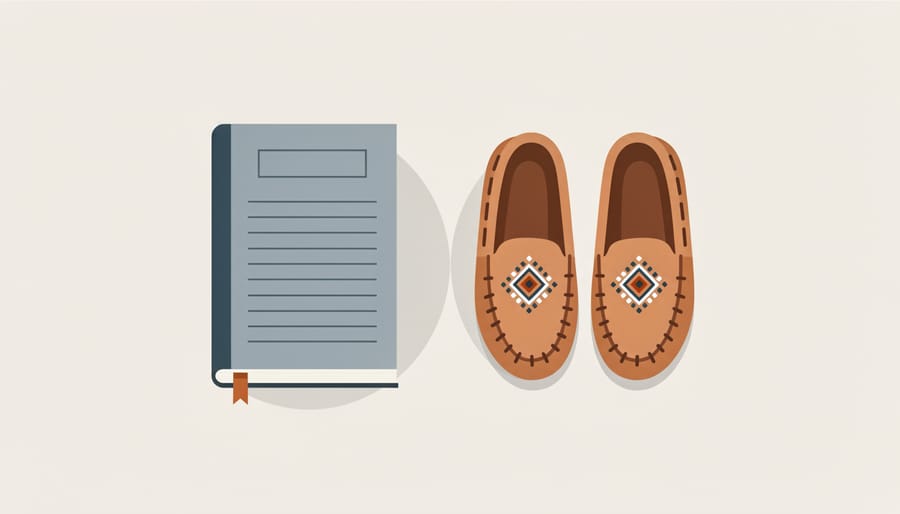
Traditional Teachings and Oral Wisdom
Traditional Métis teachings emerge from an oral culture where knowledge passed through stories, songs, and face-to-face guidance rather than written texts. Before colonial disruption, Métis communities maintained their cultural memory through spoken wisdom shared around fires, during buffalo hunts, and in family gatherings. These weren’t just words, they were living instructions for how to move through the world as Métis people.
Elder teachings often blend Cree, Anishinaabe, or Dene worldviews with French Catholic influences and the distinctive experiences of mixed-ancestry communities. A grandmother might explain kinship obligations through a story about the hunt, or an uncle might teach respect for the land through observations about weather patterns and animal behavior. The wisdom surfaces in short, memorable phrases that carry layered meanings: guidance about reciprocity with the natural world, protocols for community decision-making, or understandings of how Métis identity exists as both “and” rather than “either/or.”
These oral expressions differ from written quotes because they live in context, the speaker’s voice, the seasonal moment, the specific situation requiring guidance. They resist extraction into tidy quotations, yet their core insights about belonging to both land and community remain vital to contemporary Métis identity.
Historical Métis Leaders and Voices
Historical Métis leaders left statements that continue to anchor contemporary Métis identity, offering clarity during moments when belonging feels contested. Louis Riel’s courtroom declaration, “We are a people. We have our own customs, our own laws”, remains foundational, asserting Métis nationhood when colonial courts denied it. These words validate the distinct political and cultural existence of Métis communities, countering narratives that framed them as merely transitional or incomplete.
Gabriel Dumont’s pragmatic wisdom about maintaining cultural practices while adapting to changing circumstances speaks to resilience. His reflections on buffalo hunting, governance, and resistance demonstrate how Métis identity emerged from specific land relationships and collective decision-making. Accessing these voices through primary source media preserves their original context and intent, preventing distortion through secondary interpretation.
Marie-Anne Gaboury’s teachings about kinship networks and Cuthbert Grant’s statements on Métis sovereignty add dimension beyond military resistance, revealing how identity was articulated through family structures, economic systems, and diplomatic relations. These historical voices function as constitutional texts for contemporary communities, not as museum artifacts, but as living guidance that shapes current conversations about self-determination, land rights, and cultural continuity.
Contemporary Métis Expressions
Today’s Métis writers and creators articulate identity in ways that speak directly to contemporary challenges, urban displacement, treaty exclusion, lateral violence, and the complexity of mixed heritage in a society that demands simple categories. Dr. Chelsea Vowel examines how Métis nationhood persists beyond geographic boundaries, while Maria Campbell’s storytelling connects lived experience to larger patterns of resilience. Gregory Scofield’s poetry weaves Cree and English into explorations of queer Métis identity, expanding what belonging can mean.
These voices appear across platforms, from published works archived in media collections to social media threads where community members share their reconnection journeys. Educators like Brenda Macdougall frame Métis kinship networks as political acts, while artists such as Christi Belcourt translate cultural knowledge into visual language that affirms Métis worldviews without requiring translation. What distinguishes contemporary expressions is their directness about ongoing colonial impacts alongside fierce assertions of peoplehood: “We are still here, we have always been here, and we define ourselves.”
Applications in Community Well-being and Cultural Reclamation
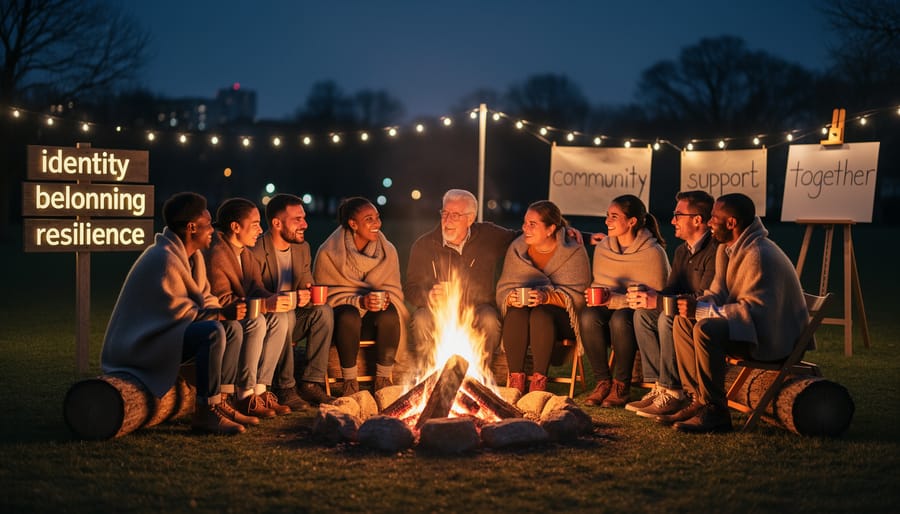
Educational Settings and Youth Programs
Identity and belonging quotes find their most transformative application in Métis youth education, where carefully chosen expressions become teaching tools that bridge cultural knowledge gaps created by historical displacement. Cultural camps integrate quotes from Elders and historical leaders into daily activities, a Gabriel Dumont saying about perseverance might frame morning discussions before traditional skills workshops, while Louis Riel’s words on nationhood could anchor evening storytelling circles. Mentorship programs pair youth with knowledge keepers who share personal narratives alongside traditional teachings, creating living connections between past wisdom and present identity questions. School-based curriculum increasingly incorporates Métis-specific quotes as entry points for broader conversations about rights, language loss, and cultural reclamation. These expressions validate youth experiences of navigating multiple identities while providing language for feelings they may have struggled to articulate. Programs focused on community healing use quotes to help youth understand intergenerational trauma within a framework of resilience rather than victimhood, reframing their family stories through strength-based narratives rooted in Métis survival and continuity.
Healing and Wellness Initiatives
Culturally affirming quotes function as therapeutic tools in Métis mental health programs, creating pathways for healing that honor Indigenous knowledge systems. When embedded in wellness initiatives, these expressions validate experiences often marginalized by mainstream health approaches, colonial trauma, displacement, and disconnection from culture, while offering alternative frameworks for understanding identity and wholeness.
In trauma recovery programs, quotes from Métis Elders and leaders provide language for experiences that Western psychology may not adequately address. A statement like “we are the ones our ancestors prayed for” reframes personal struggle within a continuum of resilience, connecting individual healing to collective survival. This relational approach contrasts with individualistic therapy models, situating wellness within community and ancestral connections.
Community healing circles frequently open with identity quotes that set intentions and establish cultural safety. These expressions signal that Métis worldviews, languages, and histories are centered rather than peripheral. For participants reconnecting with their heritage after intergenerational disruption, encountering affirming words in healing spaces can catalyze profound shifts in self-perception and belonging.
Mental health practitioners increasingly recognize that cultural identity itself serves as a protective factor. Programs incorporating Métis quotes alongside clinical interventions report stronger engagement and outcomes, particularly among youth experiencing identity-related distress.
Cultural Revitalization Projects
Identity and belonging quotes fuel hands-on cultural revitalization across Métis communities. Language reclamation programs weave Elder sayings and traditional phrases into Michif classes, where learners connect words to worldview, not just vocabulary, but the identity embedded in how Métis people name the world. Documentation projects record and archive community members’ reflections on cultural practices, creating living repositories that resist erasure. Reconnection programs for adoptees and those raised outside Métis culture use quotes as entry points, offering language that articulates experiences of searching and homecoming. These expressions give participants permission to claim their heritage, providing both framework and affirmation. Cultural camps pair activities like beading or jigging with related teachings and sayings, linking practice to meaning. The quotes become anchors: when someone learns a traditional skill, the accompanying words help them understand why it matters, transforming activity into cultural continuity.
Advocacy and Political Identity
Métis leaders and advocates draw on identity quotes as political tools that assert nationhood and counter colonial narratives. When statements from Louis Riel, “We must cherish our inheritance. We must preserve our nationality”, appear in legal briefs or land claim documents, they establish historical continuity and the legitimacy of contemporary rights claims. Contemporary quotes function similarly in public campaigns, transforming personal stories of belonging into collective demands for recognition. Métis organizations cite community voices in submissions to government bodies, where phrases affirming distinct identity strengthen arguments for consultation rights and resource access. These expressions also anchor advocacy for data sovereignty ensuring that research about Métis people centers Métis-defined categories of identity rather than imposed colonial frameworks. In protests, social media campaigns, and policy forums, identity quotes make abstract political concepts tangible, grounding self-determination in lived experience and cultural specificity rather than external definitions of who the Métis are.
Voices from Métis Communities: Understanding Through Stories
The power of identity and belonging quotes becomes clearest when understood through the lived experiences of Métis people themselves. Community members across generations and geographies describe how specific expressions have shaped their journeys toward cultural connection and self-understanding.
For urban Métis navigating identity outside traditional homeland territories, quotes often serve as anchors to heritage. Sarah Lalonde, raised in Toronto with limited connection to her Métis roots, describes how encountering Louis Riel’s words about Métis nationhood sparked her reconnection journey. “Reading his statement that ‘my people will sleep for one hundred years, but when they awake, it is the artists who will give them their spirit back’ gave me permission to claim my identity,” she explains. “I realized I wasn’t alone in feeling disconnected, that reclamation was part of our collective story.”
Youth participants in cultural programs frequently identify Elder teachings as transformative. At a Manitoba youth gathering, seventeen-year-old Marcus Dumas shared how his kokum’s saying, “You carry the blood of the buffalo hunters and the voyageurs; that strength lives in you”, helped him navigate racism at school. These personal affirmations, passed down through families, function differently than published quotes, carrying intimate knowledge of lineage and place.
For individuals reconnecting after family disconnection, quotes can validate complex feelings about belonging. Jennifer Bouvier, who grew up not knowing her Métis heritage due to her grandmother’s silence about the past, found healing in contemporary Métis writers’ honest explorations of identity grief and reclamation. “Seeing someone articulate the specific pain of having your culture stolen from you, that validated something I couldn’t name,” she notes. “It made the reconnection process feel less like I was pretending and more like I was coming home.”
Rural community members emphasize how quotes preserve knowledge that might otherwise disappear. In Métis settlements, Elders intentionally share remembered teachings from their own grandparents, creating verbal chains that stretch back generations. These aren’t always formal pronouncements but everyday wisdom about kinship, land relationships, and cultural practices, the living expressions that sustain peoplehood through their constant retelling and embodiment in community life.
Common Questions About Identity and Belonging in Métis Culture
Understanding the unique relationship between identity quotes and Métis culture requires addressing questions that community members, educators, and allies frequently raise. These expressions carry particular weight for a people whose very existence was once denied by colonial governments and whose distinct nationhood continues to require assertion.
Why are identity and belonging quotes particularly important for Métis people?
Métis people have historically faced erasure through policies that denied their distinct nationhood and forced them to identify as either “Indian” or “white.” Quotes affirming Métis identity counter this legacy, validating a people who exist as a unique nation rather than a mixture or intermediary category.
What role does Michif language play in these expressions?
Michif, the creole language combining Cree, French, and other linguistic elements, represents Métis cultural innovation and resilience. Quotes incorporating Michif words or structures embody the mixed-heritage identity at the heart of Métis peoplehood, making language itself an assertion of belonging.
How do Métis approaches to identity differ from other Indigenous nations?
While all Indigenous peoples use cultural expressions to affirm identity, Métis quotes often explicitly address the experience of being a mixed-heritage nation and the political struggle for recognition as distinct from First Nations. This reflects the specific historical position of Métis people within Canadian colonialism.
How can non-Métis people respectfully engage with these expressions?
Listen and learn without appropriating or speaking for Métis communities. Share quotes in contexts that credit Métis sources, support Métis-led initiatives, and recognize that these expressions emerge from lived experiences of resistance and survival that belong to Métis people to define.
The question of access matters deeply. Authentic Métis voices are found through Métis Nation organizations, Métis-authored publications, community cultural centers, and educational programs developed by Métis people themselves. Books like Maria Campbell’s “Halfbreed” and works by Gregory Scofield offer published sources, while local Métis communities often share teachings through Elders’ circles and cultural gatherings. Seeking permission before sharing sacred or ceremonial teachings remains essential.
Context shapes meaning. A quote that resonates powerfully within a Métis community gathering carries different weight when extracted and displayed in a classroom or social media post. Understanding the original speaker’s intent, the historical moment of the statement, and the community need it addresses prevents misuse. When educators or researchers work with identity quotes, partnerships with Métis knowledge keepers ensure respectful interpretation.
The boundaries around sharing deserve attention. Not all expressions are meant for wide distribution; some belong to specific families, communities, or ceremonial contexts. Respecting these distinctions honors Métis sovereignty over cultural knowledge and acknowledges that identity work serves community needs first, not external curiosity.
Quotes about identity and belonging function as far more than decorative phrases or historical artifacts within Métis communities. They are living cultural technologies that actively shape how people understand themselves, connect with their heritage, and build collective futures. From Elder teachings passed down in Michif to contemporary expressions articulated by youth navigating modern complexities, these words perform essential work: they transmit knowledge, validate experiences, counter erasure, and create bridges between generations.
The evidence across educational programs, healing initiatives, and revitalization projects demonstrates that culturally grounded expressions directly contribute to measurable outcomes in mental health, cultural continuity, and community cohesion. When a young person encounters words that reflect their experience of being Métis in Canada today, something fundamental shifts. When an Elder’s teaching about belonging anchors a healing circle, it creates space for recovery that clinical language alone cannot reach. These aren’t abstract benefits but documented changes in how people move through the world.
Cultural resilience doesn’t happen automatically. It requires intentional acts of remembering, speaking, and affirming who Métis people are and have always been. Quotes about identity and belonging represent precisely this kind of intentionality, deliberate expressions that refuse to let Métis peoplehood be defined by others or diminished by silence.
The path forward demands that Métis voices remain centered in every conversation about Indigenous identity and well-being. No external perspective, however well-meaning, can replace the authority of lived experience and inherited knowledge. As Métis communities continue asserting their distinct nationhood and cultural vitality, the words they choose to define themselves will keep shaping realities for generations yet to come.