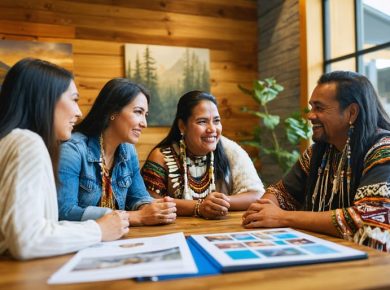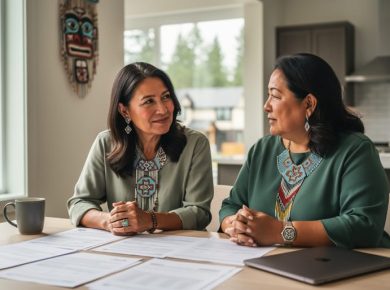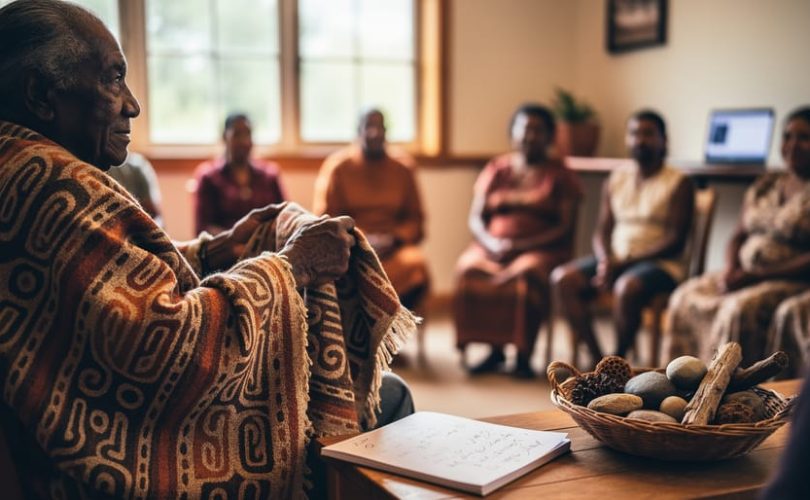
Responsible online casino play in Aboriginal communities requires a culturally grounded approach that honors traditional values of collective wellbeing, storytelling, and intergenerational care while acknowledging the unique challenges facing indigenous peoples in the digital gambling landscape. As internet access expands across remote communities and platforms actively market to new demographics with opportunities to claim bitcoin welcome bonus offers and other incentives, indigenous community members face the same algorithmic targeting and accessibility that makes online casinos simultaneously convenient and potentially harmful. Rather than importing mainstream harm-reduction frameworks that often ignore cultural context, effective strategies emerge when communities center their own knowledge systems, recognize historical trauma’s role in addiction vulnerability, and build support networks rooted in indigenous healing practices.
The intersection of Aboriginal heritage and online gambling might seem unexpected, but it addresses a growing concern. The difference lies in context: many Aboriginal peoples carry intergenerational experiences of displacement, residential schools, and systemic marginalization that research consistently links to higher rates of problem gambling.
This isn’t about prohibition or paternalism. It’s about equipping communities with tools that respect cultural sovereignty. When elders share traditional teachings about balance and reciprocity, those same principles apply to digital spaces. When circle-based support groups replace anonymous helplines, healing happens through familiar cultural protocols. When prevention programs acknowledge that gambling harm doesn’t affect just one person but ripples through kinship networks, the response becomes community-centered rather than individualistic.
The goal is practical: to bridge ancestral wisdom with contemporary challenges, offering guidance that honors both Aboriginal heritage and the realities of 2026’s digital landscape.
The Cultural Context: Traditional Perspectives on Risk and Community Well-being
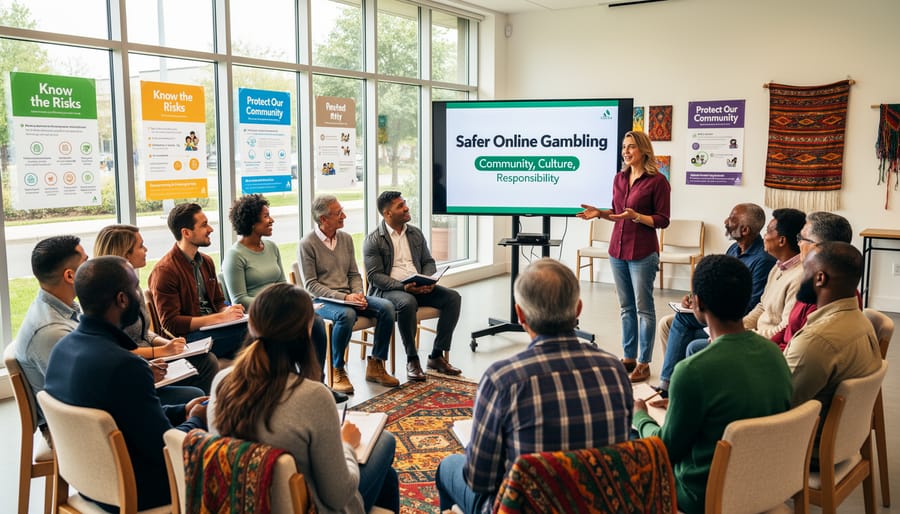
Traditional Aboriginal worldviews centre on balance, reciprocity, and interconnectedness, principles that shape every aspect of community life, including attitudes toward risk and decision-making. Many indigenous cultures across North America understand well-being not as an individual pursuit but as a collective responsibility, where personal actions ripple through families, clans, and future generations. This holistic perspective offers a starkly different framework for evaluating risk than the individualistic logic underpinning modern commercial gambling.
Traditional games among Aboriginal peoples often involved elements of chance, dice games, hand games, guessing games, and served social, ceremonial, and teaching purposes rather than purely economic ones. These activities were typically embedded in community gatherings, reinforcing relationships and cultural transmission. Elders in many communities describe these games as opportunities to practice humility, accept outcomes with grace, and strengthen bonds. The stakes, while sometimes significant, existed within a cultural container that emphasized social cohesion over individual gain or loss.
Modern online casino gambling operates under an entirely different paradigm. It isolates the individual from community context, operates continuously without the natural boundaries of ceremonial or social time, and transforms risk-taking into a profit-driven transaction designed to extract maximum value from players. Where traditional chance activities reinforced cultural values and community ties, commercial gambling platforms are engineered using behavioral psychology to maximize engagement and spending, with no connection to cultural teachings about balance or collective responsibility.
Indigenous knowledge keepers emphasize that traditional teachings about moderation, listening to inner guidance, and considering impacts on the seventh generation provide a foundation for approaching contemporary challenges. As one Anishinaabe educator explained, “Our ancestors understood that every choice either strengthens the web of relationships or weakens it. When we approach decisions from that place of responsibility to the whole, the path forward often becomes clearer.”
This cultural framework suggests that responsible engagement with online gaming, if it occurs at all, must be evaluated not just by individual limits but by how it affects one’s ability to fulfill responsibilities to family, contribute to community, and honor the teachings passed down through generations. The question becomes not simply “can I afford this?” but “does this choice strengthen or diminish my connections and my ability to walk in a good way?”
Online Casino Gaming as a Social Determinant of Health in Aboriginal Communities
Historical Trauma and Contemporary Vulnerability

The relationship between colonialism’s legacy and contemporary problem gambling in Aboriginal communities runs deeper than simple correlation. Historic trauma the cumulative emotional and psychological wounding across generations, has created specific vulnerabilities that commercial gambling can exploit.
Residential schools, forced displacement, cultural suppression, and systematic family separation didn’t end cleanly. They left what researchers call “soul wounds”: disrupted attachment patterns, normalized loss, and fractured community structures. Historical trauma and risk factors combine when individuals carry unprocessed grief alongside limited access to culturally-safe mental health support.
Online casinos enter this landscape offering what feels like escape or control, temporary relief from chronic stress, poverty, or disconnection. The dopamine hit from a near-win can mirror what trauma survivors seek: a moment where something feels different, where possibility exists. Problem gambling health impacts then compound existing challenges, creating cycles of shame and secrecy that mirror colonial patterns of hiding, surviving, and carrying burdens alone.
This isn’t individual weakness. It’s a predictable outcome when historical oppression meets modern predatory systems. Communities have named this clearly: you can’t separate problem gambling from the broader context of what’s been done to Aboriginal peoples and what remains unhealed.
The Digital Divide and Access Patterns
The landscape of internet access in Aboriginal communities has shifted dramatically over the past decade, fundamentally changing how and when community members encounter online gambling opportunities. Remote communities that once had limited or no broadband infrastructure now increasingly connect through a combination of satellite internet, improved cellular networks, and government connectivity initiatives. While this expanded access brings educational and economic benefits, it has simultaneously removed geographic barriers that once provided a degree of natural protection from commercial gambling sites.
Smartphone adoption has been particularly transformative. Many community members who never owned desktop computers now access the internet primarily through mobile devices, which they carry throughout their day. Unlike the shared family computer in a community center, a smartphone offers private, constant access to online casinos without the social accountability that comes from visible use. This shift matters because problem gambling research consistently shows that ease of access and privacy increase risk, factors amplified when someone can place bets during quiet moments throughout the day rather than during designated times in public spaces.
The pattern changes are stark. Where online gambling once required planning and specific access to technology, it now exists as an ever-present option. A community member waiting for a medical appointment, taking a break from work, or unable to sleep can open a casino app within seconds. This constant availability intersects with other vulnerability factors: boredom during economic downturns, emotional distress, or social isolation.
Marketing algorithms have adapted quickly to these access patterns, serving targeted advertisements that reach Aboriginal users through social media platforms, gaming apps, and websites they frequent. These ads often appear during moments of vulnerability, late at night, after payday, or during periods of documented high mobile usage.
Community-Led Responsible Gaming Initiatives
Culturally-Grounded Prevention Programs
Communities across Canada are developing prevention programs that root responsible gaming education in cultural teachings rather than importing mainstream Western frameworks. These initiatives recognize that effective prevention speaks to people’s values, and for Aboriginal communities, those values connect deeply to land, family, and intergenerational responsibility.
Several First Nations have incorporated traditional storytelling into gambling prevention workshops, where Elders share narratives about balance, consequence, and the importance of clear-minded decision-making. These stories don’t lecture about “addiction” in clinical terms, they illustrate through parable how choices ripple through families and communities. Youth report that hearing about moderation and self-discipline through cultural narrative feels more relevant than being told statistics about problem gambling rates.
In Manitoba, one Cree community developed a prevention curriculum that links responsible gaming to the medicine wheel’s teachings on balance. Participants learn to assess whether their online casino play serves mental, physical, emotional, and spiritual well-being or tips that balance toward harm. The program doesn’t demand abstinence but asks individuals to examine their behaviour through the lens of wholeness and cultural identity.
Traditional support structures also inform prevention design. Some communities have revived talking circles specifically to discuss gambling behaviour, creating safe spaces where people can speak honestly without judgment. These circles operate on principles of confidentiality and collective wisdom, allowing participants to hear how others navigate the same pressures while reinforcing accountability to the group. Prevention becomes not an individual task but a community practice, consistent with Aboriginal approaches to wellness that emphasize interconnection over isolation.
Support Services Designed by and for Indigenous People
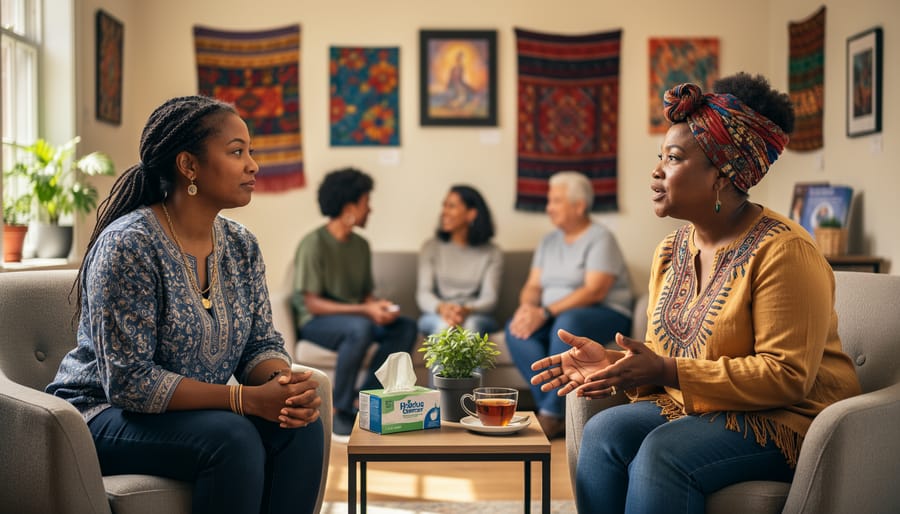
Aboriginal communities across Canada have recognized that effective support for problem gambling must be designed through an indigenous lens, not simply adapted from mainstream services. Several organizations now offer helplines and counseling that integrate traditional healing practices with contemporary therapeutic approaches.
The National Aboriginal Problem Gambling Initiative operates services where callers can speak with counselors who understand the cultural context of their experiences. These services recognize that healing happens within relationships and community, not in isolation. Many programs incorporate talking circles, where individuals struggling with gambling can share experiences in a format that honors indigenous communication traditions and collective problem-solving.
Elder involvement stands as a cornerstone of culturally-grounded support. Programs like those developed by Aboriginal Friendship Centres connect individuals with Elders who provide guidance rooted in traditional teachings about balance and responsibility. These Elders don’t simply offer advice, they help individuals reconnect with cultural identity, which research shows functions as a protective factor against continued problematic gambling.
Land-based healing programs have emerged as particularly effective. These initiatives take participants out onto the land for extended periods, using traditional activities like hunting, fishing, and ceremony to rebuild connections to culture and community. Participants report that time on the land helps them remember their responsibilities and place within their community, naturally shifting priorities away from gambling behaviors.
Community accountability systems differ significantly from mainstream approaches. Rather than anonymous support groups, many Aboriginal communities favor systems where respected community members provide ongoing check-ins and encouragement. This approach recognizes that accountability to one’s community and family carries deeper weight than external rules or individual willpower alone.
Practical Guidelines for Responsible Online Gaming
Setting Boundaries That Honor Community Values
Setting meaningful boundaries around online casino play begins with recognizing that personal choices ripple outward to affect family and community. In Aboriginal cultures, where collective well-being often takes precedence over individual desires, responsible gaming means honoring obligations to loved ones and maintaining connections that sustain community life.
Start by identifying your non-negotiable commitments: time with children, participation in ceremonies, contributions to community events, and support for extended family members. These responsibilities form the foundation of your boundaries. Before engaging in online casino activities, ask yourself whether doing so might compromise these obligations or divert resources needed elsewhere.
Practical limit-setting includes deciding in advance how much money and time you can afford without impacting household expenses, savings for children’s needs, or contributions to community gatherings. Many people find it helpful to set aside a specific, modest amount separate from essential funds. Once that amount is spent, stop. Never chase losses by dipping into money meant for rent, food, or family needs.
Time boundaries matter equally. Establish clear windows for online gaming that don’t conflict with family meals, helping with homework, cultural activities, or community responsibilities. Some community members use timers or alarms to prevent sessions from extending beyond planned limits.
Consider sharing your boundaries with a trusted family member or friend who can help you stay accountable. In cultures that value collective responsibility, asking for support demonstrates strength, not weakness. This approach aligns with promoting positive health habits within indigenous communities.
When boundaries feel difficult to maintain, that struggle itself is important information. It may signal the need to step back entirely or seek guidance from community support services.
Recognizing Warning Signs and Seeking Help
Problem gambling often develops gradually, making early recognition essential. In Aboriginal communities, warning signs may manifest differently than mainstream indicators suggest, appearing first in disrupted relationships and community participation rather than financial crisis alone.
Behavioral changes include increasing time spent online, secrecy about gambling activities, and withdrawal from family gatherings or cultural events. When someone begins missing ceremonies, avoiding Elders, or neglecting traditional responsibilities, these shifts signal deeper concerns. Financial warning signs, borrowing money repeatedly, selling possessions, or inability to contribute to household needs, often emerge alongside relationship strain.
Emotional indicators include irritability when unable to gamble, defensiveness when questioned, and expressions of shame or hopelessness. The isolation that accompanies problem gambling contradicts core Aboriginal values of community connection and collective well-being.
Seeking help within a cultural framework means turning first to trusted community supports: Elders, family members, or community health workers who understand the interconnection between gambling concerns and broader wellness. Many Aboriginal communities now offer culturally-adapted counseling that integrates traditional healing practices with evidence-based treatment approaches.
National and provincial helplines increasingly provide services in indigenous languages with counselors trained in cultural competency. Community health centers, friendship centers, and Aboriginal-specific mental health services offer confidential support that honors privacy while maintaining connection to culture and community, recognizing that healing happens through relationship, not isolation.
The Role of Education and Cultural Preservation
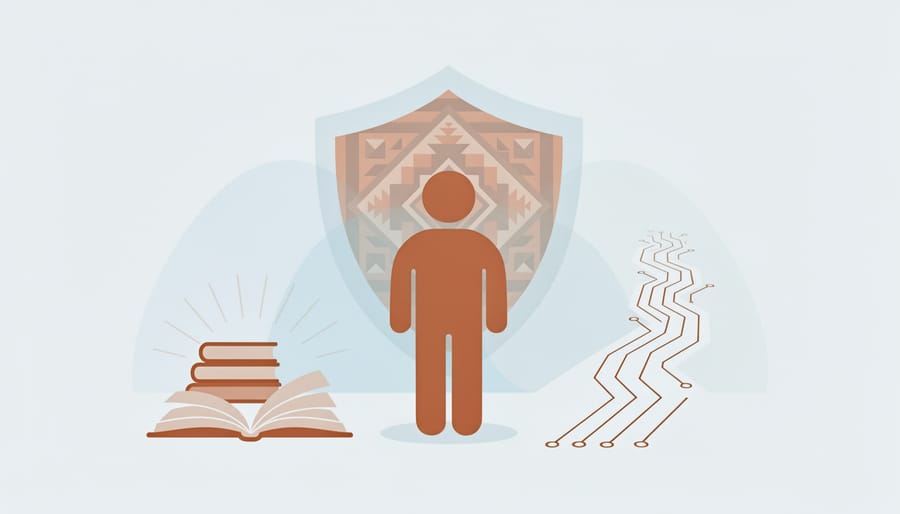
Cultural education and language revitalization programs serve as powerful protective factors against problem gambling in Aboriginal communities. When young people learn their ancestral language, participate in traditional ceremonies, and understand their history, they develop stronger cultural identity, a documented buffer against various addictive behaviors. Programs that teach traditional skills such as beadwork, hunting practices, or storytelling create meaningful alternatives to gambling while reinforcing community bonds and intergenerational knowledge transfer.
Language preservation initiatives contribute directly to community wellness by creating spaces where elders and youth interact, traditional values are transmitted, and collective identity is strengthened. Communities with active language programs report that participants gain not only linguistic skills but also the cultural frameworks for understanding balance, restraint, and responsibility, concepts central to responsible gaming. The preservation of oral histories and traditional narratives provides context for understanding how ancestors approached risk, decision-making, and community accountability.
Historical knowledge programs that examine both pre-contact traditions and colonial impacts help community members understand gambling issues within a broader framework of cultural disruption and reclamation. When people recognize problem gambling as connected to historical trauma rather than individual weakness, they are more likely to seek community-based support. These programs align with NAHO’s core mandate of preserving and promoting Aboriginal cultures while addressing contemporary health challenges through research and education.
Cultural camps, traditional skills workshops, and land-based learning programs offer engaging activities that compete with the appeal of online gambling. Participants in these programs frequently report decreased gambling behavior, attributing the change to renewed purpose, stronger social connections, and the satisfaction of meaningful cultural engagement.
Common Questions About Responsible Gaming in Aboriginal Communities
What makes Aboriginal approaches to problem gambling different from mainstream programs?
Community-led programs integrate cultural teachings, traditional healing practices, and collective accountability rather than relying solely on individual treatment models. These approaches recognize that wellness is connected to cultural identity, family relationships, and community belonging.
Where can Aboriginal community members find culturally-appropriate help for gambling concerns?
Many provinces have indigenous-specific problem gambling services through Friendship Centres, Band offices, or provincial health authorities with dedicated indigenous programs. The National Indian and Inuit Community Health Representatives Organization maintains referral networks, and some communities have established peer support circles grounded in traditional practices.
How do I talk to a family member about their online casino use without judgment?
Frame the conversation around care for their well-being and the family’s welfare rather than moral judgment. Use “I” statements to express concern, listen without interrupting, and offer to help them access support when they’re ready. Traditional talking circles, where available, provide a culturally-grounded setting for difficult conversations.
Are there privacy concerns when seeking help through community programs?
Confidentiality is essential, and reputable programs follow strict privacy protocols. Community members concerned about data sovereignty should ask how their information will be stored, who has access, and whether data stays within community control.
Understanding these common concerns helps both individuals experiencing gambling difficulties and those who want to support them. The questions reflect real challenges Aboriginal community members face when navigating resources that may not have been designed with their cultural context in mind.
Community members often worry about stigma or breaching trust when discussing gambling concerns. Traditional values around collective well-being can make it easier to frame help-seeking as an act of responsibility to family and community rather than personal failure. Elders and knowledge keepers sometimes play vital roles in normalizing these conversations and connecting contemporary challenges to timeless teachings about balance.
For researchers and service providers working with Aboriginal communities, these questions highlight the need for culturally-safe programming that respects indigenous ways of knowing while providing effective harm reduction strategies.
Responsible online casino play within Aboriginal communities cannot be separated from the broader movement toward wellness, self-determination, and cultural continuity. The challenge of problem gambling exists not in isolation, but as one thread in a complex tapestry of social determinants that affect indigenous peoples. Addressing it effectively requires solutions that emerge from within communities themselves, grounded in cultural values and supported by both traditional knowledge and contemporary research.
The most promising approaches share common elements: they center indigenous voices, draw on cultural teachings about balance and community responsibility, and recognize that healing happens through connection rather than isolation. When prevention programs incorporate storytelling, when support services reflect indigenous ways of knowing, and when communities lead their own initiatives, the results demonstrate what self-determined health care looks like in practice.
Cultural heritage preservation serves as more than backdrop to these efforts. Language programs, traditional knowledge transmission, and connection to land and history create protective factors that strengthen community resilience. Young people who understand their cultural identity and their place within a long lineage of indigenous survival and adaptation carry tools that commercial gambling cannot easily exploit.
The work ahead demands sustained commitment. More research is needed that respects indigenous methodologies and priorities. More resources must flow directly to community-led initiatives rather than top-down programs. Most importantly, the solutions must continue to evolve from within Aboriginal communities, honoring the wisdom that has sustained indigenous peoples through far greater challenges than online casinos. Wellness and self-determination remain inseparable, and both require communities to define their own paths forward.