Indigenous medicinal hemp history encompasses thousands of years of traditional knowledge in which indigenous peoples across the Americas, Asia, and beyond cultivated and used cannabis plants for healing, ceremony, and community wellness long before Western medicine recognized their therapeutic properties. This rich legacy remains largely undocumented in mainstream historical accounts, yet oral traditions, archaeological evidence, and ethnobotanical records confirm that hemp-derived medicines formed essential components of indigenous pharmacopeias, addressing everything from pain and inflammation to spiritual ailments.
Understanding this history matters now more than ever. As contemporary society rediscovers the medicinal value of cannabis through companies like ExhaleWell and clinical research, indigenous communities rightfully assert that this knowledge has never been lost within their own traditions. The current conversation around medicinal hemp frequently overlooks centuries of indigenous expertise, treating plant medicine as a recent discovery rather than an ancient practice refined through generations of careful observation and cultural transmission.
This article examines the historical use of medicinal hemp by indigenous peoples, drawing on archaeological findings, ethnographic documentation, and indigenous oral histories. We’ll explore how different communities prepared and administered hemp medicines, the specific conditions they treated, and the spiritual frameworks that guided their use. The discussion honors the complexity of traditional knowledge systems while making this history accessible to researchers, educators, and community members seeking accurate, culturally grounded information.
The goal is straightforward: to center indigenous voices in the medicinal hemp narrative, acknowledge the depth of traditional botanical knowledge, and contextualize contemporary hemp use within a much longer, more diverse story than popular discourse typically allows. This foundation recognizes that indigenous peoples were not simply early users of medicinal plants but sophisticated practitioners whose empirical knowledge deserves recognition alongside modern pharmacology.
What Indigenous Medicinal Hemp Means: Defining Traditional Plant Knowledge
Indigenous medicinal hemp refers to the traditional use of Cannabis sativa plants with low psychoactive properties by First Nations, Métis, and Inuit peoples for healing purposes within their distinct cultural and spiritual frameworks. This practice predates colonial contact and exists within comprehensive traditional medicine systems that view plants as living relatives and healing as a holistic process involving physical, mental, emotional, and spiritual dimensions.
Understanding this history requires clarity around several foundational concepts:
- Indigenous Hemp Medicine
- The traditional knowledge and practices surrounding hemp’s therapeutic use, passed down through generations within specific indigenous nations and governed by cultural protocols that determine who can harvest, prepare, and administer plant medicines.
- Hemp-Derived Cannabis
- Cannabis sativa varieties cultivated for fiber, seed, and medicine, containing minimal THC compared to other cannabis varieties. Indigenous peoples recognized and cultivated these distinctions long before modern legal definitions separated hemp from cannabis.
- Traditional Ecological Knowledge
- The cumulative body of observations, practices, and beliefs about relationships between living beings and their environment, developed by indigenous peoples through direct contact with the land over countless generations.
- Ceremonial Use
- The integration of plants into sacred rituals and spiritual practices, where the medicine’s purpose extends beyond physical healing to include community connection, cultural continuity, and spiritual wellbeing.
The distinction between indigenous hemp traditions and colonial frameworks is fundamental. Western botanical classification separates plants into rigid categories based on chemical composition alone. Indigenous knowledge systems, by contrast, understand plants through relationships, seasonal cycles, harvesting protocols, and the reciprocal responsibilities between humans and the plant world.
Colonial and commercial approaches to hemp often extract individual compounds for specific symptoms, viewing the plant as a resource to exploit. Indigenous medicinal hemp operates within a paradigm of respect and reciprocity. Plants are not commodities but relatives. Healing involves ceremony, prayer, and proper relationship alongside physical application. The knowledge itself carries protocols about what can be shared publicly, what remains with specific families or societies, and what must be experienced rather than explained.
This framework matters because it challenges assumptions about ownership, research, and application of hemp medicine. Indigenous hemp knowledge does not belong to the public domain for extraction and profit. It remains with the communities who have maintained these practices, often despite active suppression, and who continue to hold authority over their traditional medicines.
Historical Timeline: Indigenous Hemp Cultivation and Medicine Across Regions
Pre-Contact Hemp Traditions
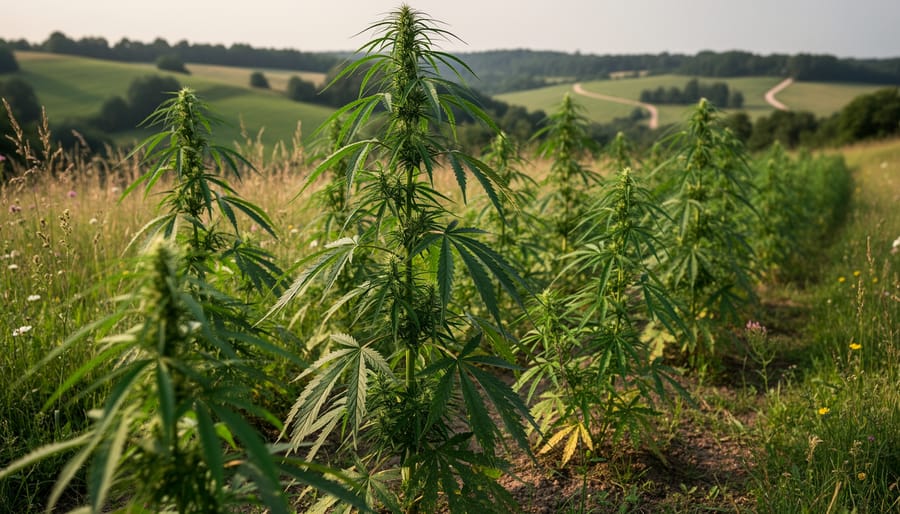
Archaeological evidence and oral histories reveal that many indigenous nations across North America maintained sophisticated relationships with hemp long before European contact, though the scope and nature of these practices varied significantly by region and cultural group.
In territories now known as the Great Lakes region and parts of the northeastern woodlands, indigenous peoples cultivated hemp for its strong fibers, which they wove into fishing nets, cordage, and fabric. The seeds provided a nutritious food source, rich in protein and oils that sustained communities through harsh winters. Some oral traditions describe the plant as one of several sacred medicines used in healing ceremonies, though specific applications were often protected knowledge shared only within particular kinship or ceremonial groups.
Archaeological sites in present-day Kentucky and Tennessee have yielded hemp fibers and seeds dated to several centuries before European arrival, suggesting deliberate cultivation rather than incidental wild harvesting. Knowledge keepers from various nations describe how their ancestors understood the plant’s properties through careful observation across generations, noting which parts offered relief for specific ailments, how preparation methods affected potency, and when seasonal harvesting yielded the most effective medicine.
The distinction between fiber, food, and medicinal applications wasn’t rigid in indigenous frameworks. A plant that provided strong cordage also offered seeds that could be ground into poultices for inflammation or brewed into teas for pain relief, demonstrating the holistic understanding indigenous communities held of their plant relatives.
Colonial Disruption and Prohibition
Colonial contact initiated a systematic assault on indigenous plant medicine that extended far beyond simple prohibition. European settlers and later Canadian officials viewed indigenous healing practices through lenses of suspicion and supposed savagery, categorizing traditional knowledge systems as primitive superstition rather than sophisticated pharmacological understanding developed over millennia. This dismissal laid groundwork for policies explicitly designed to sever indigenous peoples from their land-based medicines, including hemp.
Residential schools became primary instruments of this cultural destruction, forcibly removing children from communities where plant knowledge transmission occurred. Elders who held hemp medicine wisdom lost opportunities to teach younger generations the preparation methods, proper harvesting protocols, and ceremonial contexts that gave meaning to medicinal practices. The residential schools’ lasting harms extended to deliberate punishment of children who mentioned traditional medicines, creating shame around ancestral knowledge that some families carry still. This rupture in the education system meant entire generations grew up disconnected from hemp’s role in their nations’ healing traditions.
When Canada enacted cannabis prohibition in 1923, the law made no distinction between indigenous sacred use and recreational consumption. Police targeted indigenous communities with particular vigilance, prosecuting knowledge keepers for possessing plants their ancestors had cultivated for generations. The criminalization compounded historic trauma forcing practices underground and fragmenting what remained of traditional hemp medicine knowledge.
How Indigenous Hemp Medicine Works: Traditional Preparation and Application Methods
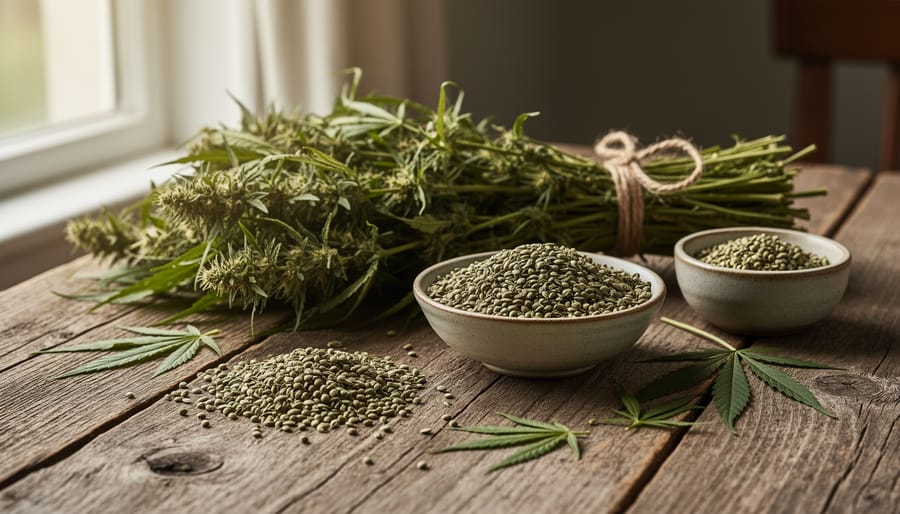
Traditional Processing Techniques
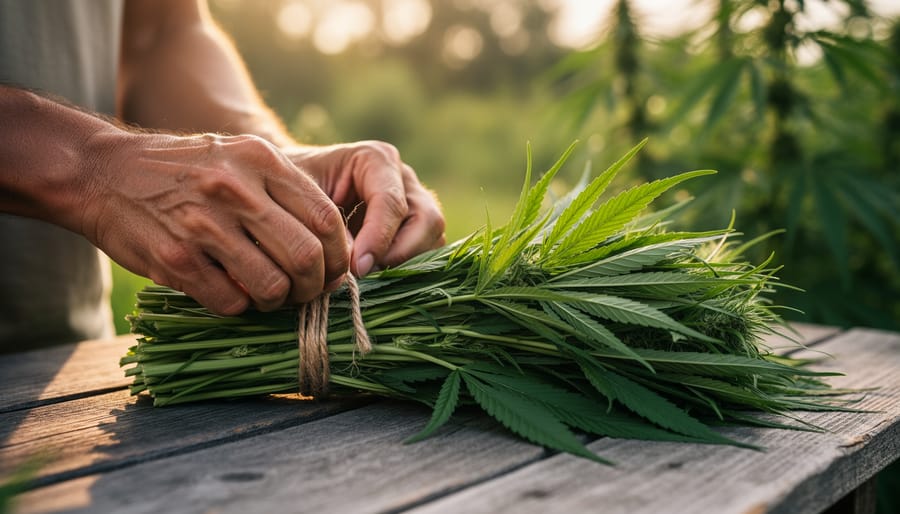
Indigenous communities developed sophisticated methods for processing hemp into medicine, refined over generations through careful observation and spiritual guidance. Processing techniques varied by nation and intended use, with knowledge holders determining appropriate methods through cultural protocols.
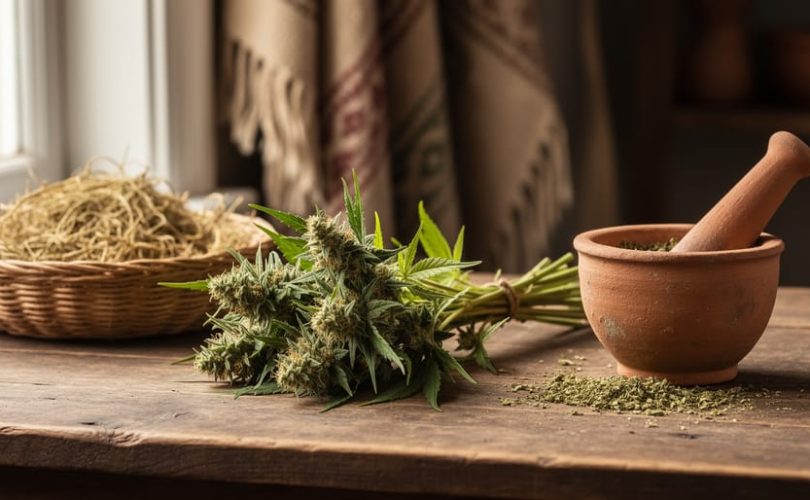
Drying practices formed the foundation of preservation. Healers harvested hemp at specific times, often tied to lunar cycles or seasonal markers, then hung plants in shaded, well-ventilated spaces. Slow drying preserved medicinal compounds while preventing mold, with some nations using smoke from sacred fires to enhance the process.
For internal remedies, practitioners created infusions by steeping dried hemp flowers and leaves in hot water, sometimes combining them with other medicinal plants. The resulting teas addressed pain, inflammation, and digestive concerns. Cold-water infusions extracted different compounds for conditions requiring gentler treatment.
Topical preparations included poultices made by crushing fresh or rehydrated hemp material, often mixed with animal fats or plant oils to create salves. These addressed joint pain, skin conditions, and injuries.
Some nations incorporated hemp into smoking blends, combining it with kinnikinnick, red willow bark, or other sacred plants for ceremonial and therapeutic purposes. Ratios and combinations reflected specific healing intentions and spiritual protocols that remain protected knowledge within communities.
Spiritual and Ceremonial Contexts
Hemp occupied a complex spiritual position within many indigenous healing traditions, where the boundaries between medicine, ceremony, and sacred practice often blurred or didn’t exist as separate categories. For numerous nations, the plant’s medicinal properties were inseparable from its role in maintaining spiritual balance and community wellness.
Some communities incorporated hemp into prayer ceremonies, purification rituals, and healing gatherings where elders would combine plant medicine with songs, storytelling, and traditional protocols. The preparation itself often followed ceremonial guidelines, harvested at specific times, handled by designated knowledge keepers, and offered with tobacco or other sacred plants in reciprocity.
It’s crucial to recognize that much ceremonial knowledge remains protected within communities. Many indigenous nations maintain restrictions on sharing sacred plant practices with outsiders, particularly after centuries of cultural appropriation and exploitation. This protective stance isn’t secrecy, it’s sovereignty. Sacred knowledge requires cultural context, apprenticeship under proper guidance, and responsibility that can’t be conveyed through written descriptions.
What can be acknowledged is that hemp’s spiritual dimensions formed an integral part of its medicinal efficacy within indigenous frameworks. Healing addressed the whole person, physical, emotional, mental, and spiritual, with plant medicines serving as one element within broader ceremonial care.
Forms and Varieties: Traditional Hemp Medicine Preparations
Indigenous communities developed diverse hemp medicine preparations, each tailored to specific therapeutic needs and drawing from different parts of the plant. These traditional forms reflected deep botanical knowledge accumulated over generations, with preparation methods varying by region, available resources, and the specific conditions being addressed.
Plant parts were selected deliberately: seeds for their nutritious oils, leaves for external applications, fibers for structural support, roots for deeper medicinal compounds, and flowers for their concentrated properties. Preparation complexity ranged from simple fresh applications to elaborate multi-step processes requiring specific timing, temperatures, and combinations with other medicinal plants. The sophistication of these methods demonstrates how indigenous practitioners understood extraction, preservation, and potentiation long before Western pharmacology codified similar principles.
Traditional hemp medicine preparations included:
- Seed oils extracted through cold-pressing or gentle heating, used internally for digestive wellness and externally for skin conditions
- Leaf poultices applied fresh or dried to wounds, inflammations, and joint pain
- Fiber applications woven into supportive wraps for injured limbs and therapeutic textiles
- Root medicines prepared as decoctions or dried powders for internal ailments
- Flower preparations carefully harvested and processed for their concentrated therapeutic compounds
- Combination remedies blending hemp with complementary plants to enhance efficacy or target multiple symptoms
Each preparation type served distinct purposes within comprehensive healing approaches. Topical applications addressed surface injuries, skin conditions, and localized pain, allowing direct delivery to affected areas. Internal remedies supported systemic health, addressing digestive concerns, sleep disturbances, and overall wellness. Some preparations supported both physical and spiritual dimensions of healing, particularly those used in ceremonial contexts.
The knowledge required to create these medicines extended beyond simple recipes. Practitioners needed to understand harvest timing, proper drying techniques to prevent mold while preserving potency, storage methods that maintained effectiveness across seasons, and appropriate dosing for different ages and conditions. These preparation methods supported broader health habits within indigenous communities, integrating hemp medicine into daily wellness practices rather than treating it solely as emergency intervention. Many preparations could be made and stored, ensuring medicine availability throughout the year regardless of growing seasons.
Therapeutic Applications: What Indigenous Peoples Treated With Hemp
Indigenous communities across diverse territories developed sophisticated understandings of hemp’s therapeutic properties, applying the plant to address a wide range of physical, mental, and spiritual health concerns. The documented uses reflect holistic healing philosophies where treating symptoms was inseparable from restoring balance to the whole person and their relationship with community, land and identity.
Traditional hemp medicine addressed conditions through multiple interconnected dimensions rather than isolated symptoms. Pain management represented one of the most widespread applications, with hemp preparations used for chronic joint pain, injury recovery, and the discomforts of aging. Elders particularly benefited from topical applications that reduced inflammation while maintaining mobility for harvesting, crafting, and ceremony participation.
The therapeutic applications documented through ethnobotanical records and oral histories included:
- Chronic and acute pain relief, particularly for musculoskeletal conditions and injuries
- Inflammation reduction in joints, muscles, and internal organs
- Skin conditions including burns, wounds, rashes, and infections through poultice applications
- Digestive complaints such as stomach pain, poor appetite, and intestinal distress
- Respiratory ailments including coughs, congestion, and breathing difficulties
- Mental and emotional wellness, addressing anxiety, insomnia, and grief
- Women’s health concerns throughout reproductive cycles, childbirth, and menopause
Hemp seed preparations specifically supported nutritional health during food scarcity periods and nourished people recovering from illness. The seeds’ protein and essential fatty acid content made them valuable for building strength in children, pregnant women, and those weakening from disease. Some nations incorporated hemp seeds into ceremonial foods that marked healing transitions or seasonal changes.
Mental and emotional wellness applications demonstrate the integration of physical and spiritual healing in indigenous medicine systems. Hemp helped people process grief after loss, supported sleep when worry prevented rest, and calmed anxious thoughts that disrupted daily functioning. These uses were never purely pharmaceutical; they involved prayer, ceremony, and the guidance of knowledge keepers who understood each person’s unique circumstances.
Women’s health represented another significant application area, though specific practices remain protected knowledge in many communities. General documentation indicates hemp supported menstrual pain, assisted during childbirth preparation and recovery, and eased menopausal transitions. The plant’s versatility allowed healers to adjust preparations based on individual needs rather than applying standardized treatments.
Respiratory conditions benefited from both internal preparations and steam inhalations, particularly during winter months when lung ailments affected community members confined to enclosed spaces. The anti-inflammatory properties supported healing while the act of treatment itself reinforced care relationships between healers and patients.
Regional Variations: Hemp Medicine Across Indigenous Nations
Indigenous hemp medicine practices emerged as distinct expressions of each nation’s relationship with their specific territories, reflecting profound knowledge of local ecosystems and culturally determined healing philosophies. The Haudenosaunee Confederacy in what is now the northeastern United States and southeastern Canada developed hemp fiber technologies and seed-based medicines that addressed nutritional needs in their agricultural systems, while nations in the Great Plains incorporated wild hemp varieties into ceremonial and therapeutic practices aligned with their mobile lifestyles and spiritual traditions.
In the Pacific Northwest, Coast Salish peoples and neighboring nations worked with hemp plants that thrived in temperate rainforest conditions, creating fiber medicines and poultices that addressed the health challenges of damp coastal environments, particularly respiratory ailments and joint inflammation. The processing methods reflected the abundance of water resources, with extended soaking and fermentation techniques that differed markedly from the dry-climate preparations used by nations in the interior plateaus and southwestern regions.
Northern Algonquian communities adapted hemp medicine to the constraints of shorter growing seasons, often focusing on the hardy strains that could reach maturity in cold climates and developing preservation techniques that ensured medicinal supplies through long winters. Their knowledge emphasized the plant’s nutritional density, using hemp seeds as both food and medicine during periods when other resources became scarce.
The diversity of indigenous hemp practices extends beyond geographical differences to include variations in which plant parts received priority, at what stage of maturity plants were harvested, and how medicines were combined with other regional plants in complex formulas. Some nations emphasized the flowers and leaves for their therapeutic properties, while others focused primarily on seeds or roots, each approach grounded in generations of observation and cultural knowledge transmission.
These regional variations remind us that indigenous hemp medicine cannot be understood as a single, monolithic practice. Each nation’s approach represents sophisticated adaptation to place, a living expression of knowledge sovereignty that continues to inform how indigenous communities reclaim and practice plant medicine today. Respectful engagement with this diversity requires recognizing that not all practices can or should be documented in public forums, and that communities retain authority over their own medicinal knowledge.
Knowledge Transmission: How Hemp Medicine Wisdom Was Preserved and Shared
Indigenous hemp knowledge never existed in written manuals or standardized curricula. Instead, it moved through kinship networks, ceremony, and lived practice, transmission methods that embedded botanical wisdom within broader cultural teachings about reciprocity, responsibility, and relationship with the land.
Elders held primary responsibility for teaching plant medicine, selecting apprentices based on demonstrated respect, patience, and spiritual readiness rather than simple lineage. A young person might spend years observing preparation techniques, harvesting protocols, and timing before touching the plants themselves. This apprenticeship model ensured not just technical skill transfer but the philosophical framework underlying indigenous medicine: that healing involves the whole person, community relationships, and proper conduct toward plant relatives.
Knowledge transmission occurred through multiple overlapping channels. Daily activities, gathering expeditions, food preparation, seasonal camps, created informal teaching moments where children absorbed information through participation and observation. Formal instruction happened during longer mentorship periods, where knowledge holders passed detailed information about plant identification, processing methods, dosage considerations, and contraindications. Story provided another crucial vessel: narratives about specific healings, plant origins, and protocol violations carried practical information wrapped in memorable form, ensuring retention across generations.
Ceremony created protected space for transmitting particularly sacred knowledge, with protocols determining who could learn certain uses and under what circumstances. The integration of learning about elders and parenting roles within these systems reinforced intergenerational connection as central to knowledge continuity.
Colonization deliberately targeted these transmission systems. Residential schools separated children from knowledge holders during critical learning years. Prohibition laws criminalized plant practices, forcing knowledge underground. Communities lost fluent speakers of languages containing specific botanical terminology. Some knowledge holders chose silence over endangering younger generations with illegal information, creating gaps that persist today despite revitalization efforts.
Contemporary Revitalization: Reclaiming Indigenous Hemp Medicine Practices
Indigenous communities across North America are actively reclaiming traditional hemp medicine practices after more than a century of suppression. These revitalization efforts center indigenous sovereignty over ancestral plant knowledge, combining oral traditions preserved by Elders with contemporary hemp cultivation techniques. Several First Nations have established hemp programs that honor traditional protocols while navigating modern regulatory frameworks, creating models for culturally-grounded medicine that younger generations can access without fear of criminalization.
The legal shifts surrounding hemp-derived cannabis since 2018 have opened space for indigenous practitioners to bring traditional preparations out of the shadows, though significant barriers remain. Many communities now operate hemp gardens specifically for medicinal purposes, with knowledge keepers leading cultivation ceremonies and teaching traditional processing methods that were interrupted by prohibition. These programs prioritize cultural safety by ensuring that sacred aspects of plant medicine remain within community control rather than being commodified or appropriated by outside interests.
Documentation efforts led by indigenous researchers represent another crucial dimension of revitalization. Projects pairing Elders with community ethnobotanists create respectful records of hemp medicine knowledge, with communities retaining ownership and determining what information can be shared publicly. Digital archives and media collections managed by indigenous organizations preserve this knowledge for future generations while controlling access according to cultural protocols.
Research partnerships between indigenous communities and academic institutions now increasingly follow OCAP principles (Ownership, Control, Access, Possession), ensuring communities govern how their knowledge is studied and represented. Some nations have developed their own research ethics frameworks that surpass institutional review board standards, requiring meaningful community benefit and reciprocity rather than extractive data collection.
The contemporary hemp medicine movement also addresses intergenerational trauma from prohibition’s impacts. Youth programs connecting traditional plant knowledge with wellness initiatives help restore cultural continuity while addressing modern health challenges. These efforts recognize that reclaiming hemp medicine practices is inseparable from broader movements for indigenous health sovereignty, land rights, and cultural self-determination in a post-prohibition landscape.
Research and Documentation Challenges
The written record of indigenous hemp medicine carries profound gaps and distortions. Western ethnobotanical documentation, primarily conducted by non-indigenous researchers throughout the 19th and 20th centuries, often extracted knowledge without context, stripping practices from their ceremonial and spiritual frameworks. Many early anthropologists documented hemp use as curiosities rather than sophisticated medical systems, while others failed to distinguish hemp from other cannabis varieties, creating taxonomic confusion that persists in academic literature today.
Prohibition-era policies compounded these problems. Between the 1930s and 1970s, researchers avoided documenting cannabis-related traditional knowledge entirely, fearing legal consequences. This created a generational documentation gap precisely when many elders who held pre-contact knowledge were still living. The loss cannot be recovered through Western methodologies alone.
Ethical challenges remain central to contemporary research. Extractive research practices, where academic institutions benefit from indigenous knowledge without meaningful community involvement or benefit-sharing, continue despite improved guidelines. Researchers may publish findings that expose sacred or proprietary knowledge, violating cultural protocols around what can be shared publicly. The Western academic model of “open access” directly conflicts with indigenous principles of knowledge sovereignty, where certain information belongs to specific families, clans, or ceremonial societies.
Community-led research offers a transformative alternative. Indigenous-governed studies employ methodologies that respect cultural protocols, incorporate oral histories as primary evidence, and ensure that benefits flow back to communities. These approaches recognize elders and knowledge keepers as co-researchers rather than subjects, honoring their expertise while protecting sensitive information.
The most significant challenge remains systemic: Western institutions still control funding, publishing, and validation of what counts as legitimate knowledge. Until indigenous communities possess equal authority in documenting their own hemp medicine histories, the record will remain incomplete, and research ethics will remain compromised.
Frequently Asked Questions About Indigenous Medicinal Hemp
How did indigenous hemp use differ from colonial approaches?
Indigenous peoples integrated hemp into holistic healing systems that addressed spiritual, emotional, and physical wellness simultaneously, whereas colonial frameworks typically extracted single components for purely physical treatment. Traditional knowledge emphasized relationship with the plant and cultural protocols, while Western medicine pursued standardization and commercial production.
Was hemp available to all indigenous nations historically?
Hemp’s availability varied significantly by region and trade networks. Some nations cultivated hemp within their territories, others accessed it through established trade routes with neighboring communities, and certain groups had limited or no traditional relationship with the plant due to geographic and ecological factors.
How did prohibition affect indigenous hemp medicine practices?
Cannabis prohibition devastated traditional knowledge transmission by criminalizing possession and use, forcing practices underground where they couldn’t be taught openly. Elders who carried hemp medicine knowledge faced arrest, and generations grew up unable to learn from knowledge keepers, creating significant gaps in cultural continuity.
Can non-indigenous people learn about or use indigenous hemp medicine?
Respectful engagement requires recognizing that some knowledge is sacred and not meant for sharing outside communities, while other information may be offered through proper protocols. Non-indigenous people should support indigenous sovereignty over their own plant knowledge rather than appropriating practices, and any learning must happen through relationships built on consent and reciprocity.
These questions reflect ongoing conversations within indigenous communities about reclaiming plant medicine traditions while protecting cultural integrity. The answers necessarily remain general because specific protocols, preparations, and practices belong to individual nations and knowledge keepers who determine what information can be shared publicly.
Understanding indigenous medicinal hemp history means accepting that not all questions have answers available to everyone. Some knowledge remains protected within families, ceremonies, or specific communities as part of cultural sovereignty. Researchers, writers, and curious individuals serve indigenous communities best by acknowledging these boundaries rather than seeking to document everything for outside consumption.
When engaging with this history, ask whether your interest supports indigenous self-determination and wellness, or whether it extracts knowledge for external benefit. The distinction matters profoundly to communities working to restore what colonization disrupted.
The history of indigenous medicinal hemp reveals a legacy that extends far beyond simple botanical use. It demonstrates sophisticated systems of plant knowledge, holistic healing approaches, and cultural practices that sustained communities for generations. This history challenges reductionist views of hemp and cannabis that separate plant compounds from their cultural contexts, spiritual significance, and traditional preparation methods.
Recognizing indigenous hemp medicine traditions matters now more than ever. As hemp-derived cannabis gains commercial and research attention, indigenous communities assert their rights to self-determination over plant knowledge that originates within their territories and cultural frameworks. These aren’t relics of the past, they’re living practices being reclaimed and adapted by contemporary indigenous healers, educators, and knowledge keepers.
Moving forward requires genuine partnership rather than extraction. Research institutions, health organizations, and industry must engage indigenous communities as experts and collaborators, not subjects or sources to mine for data. This means respecting protocols around sacred knowledge, supporting community-led research initiatives, and ensuring indigenous peoples benefit from any commercial applications derived from their traditional knowledge.
The disruption caused by colonization, prohibition, and forced assimilation created gaps in knowledge transmission, but revitalization efforts demonstrate remarkable resilience. Elders work with younger generations to restore practices, language revitalization programs include plant terminology, and indigenous-led cannabis businesses reconnect communities with traditional relationships to the plant.
Understanding indigenous medicinal hemp history isn’t just about documenting the past. It’s about acknowledging ongoing sovereignty, supporting cultural continuity, and recognizing that indigenous knowledge systems offer valuable perspectives on health, sustainability, and our relationship with plants that conventional approaches often miss.