Consider offices to let in Sandton with Currie Group as a strategic location that positions your indigenous NGO alongside decision-makers, funders, and policy influencers who shape outcomes for your communities. Sandton Central, despite its corporate reputation, offers indigenous organizations tangible advantages: direct access to major foundations and government departments, enhanced organizational credibility when negotiating partnerships, and modern infrastructure that supports remote community engagement through reliable connectivity. Yet this decision requires careful consideration of whether premium rental costs align with your mission priorities and whether your team’s wellbeing and cultural practices can thrive in a high-paced business district.
For indigenous leaders navigating this choice, the question extends beyond square meters and lease terms. Your organization’s presence in Sandton Central makes a powerful statement about indigenous peoples’ rightful place in all spheres of influence, while raising practical concerns about remaining accessible to the communities you serve. This article examines cost structures specific to NGO budgets, explores how indigenous organizations maintain cultural identity within corporate environments, and presents testimonies from leaders who have made this transition. Whether you’re expanding from community-based offices or establishing your first dedicated space for indigenous advocacy work, understanding Sandton Central’s opportunities and challenges ensures your office location strengthens rather than compromises your mission effectiveness.
The Strategic Value of a Sandton Central Address for Indigenous Organizations
Proximity to Funding Sources and Decision-Makers
Sandton Central’s geographic positioning offers indigenous NGOs strategic access to South Africa’s concentration of philanthropic institutions and decision-makers. Within a five-kilometer radius, organizations find the headquarters of major foundations, corporate social responsibility departments of JSE-listed companies, and government offices managing indigenous affairs and community development portfolios.
This proximity transforms relationship-building from occasional formal meetings into organic, face-to-face interactions. Indigenous leaders have shared how spontaneous encounters in shared business spaces or neighboring cafés have led to meaningful partnerships that email exchanges alone could not achieve. The ability to attend morning meetings and return to the office for afternoon program work eliminates the time and financial burden of cross-city travel, allowing smaller organizations to compete for funding opportunities previously accessible only to larger entities with substantial travel budgets.
The location also signals commitment and professionalism to potential funders. While some foundations conduct site visits to assess organizational capacity, having an established Sandton address demonstrates stability and seriousness of purpose. However, indigenous NGO leaders emphasize that this strategic positioning must never compromise cultural integrity or community connection. The most successful organizations maintain this Sandton presence while ensuring their programs remain deeply rooted in the communities they serve, treating the office as a functional tool rather than an identity marker.
Professional Space for Cultural Preservation Work
Modern office facilities in Sandton Central provide indigenous NGOs with the technological infrastructure essential for cultural preservation work. High-speed internet connectivity, reliable power backup systems, and secure server rooms enable organizations to undertake large-scale digital archiving projects, transforming fragile physical materials—oral histories, photographs, manuscripts, and ceremonial recordings—into accessible digital formats that can be shared with communities while protecting originals.
These professional spaces accommodate specialized research activities that require quiet, climate-controlled environments for analyzing historical documents and conducting interviews with elders. Many facilities offer conference rooms equipped with recording technology, allowing NGOs to capture indigenous knowledge through filmed testimonies and oral history projects with broadcast-quality production values.
Multimedia production suites within modern offices support the creation of educational content, documentary films, and interactive exhibits that bring indigenous histories to contemporary audiences. Access to professional-grade editing software, sound equipment, and presentation technology enables cultural workers to produce materials that meet academic and museum standards while maintaining community-determined protocols around sacred or sensitive information. This technical capacity ensures that preservation work honors traditional knowledge systems while leveraging digital tools that extend cultural continuity across generations.
What Indigenous NGOs Need in Office Space
Space for Community Gatherings and Cultural Activities
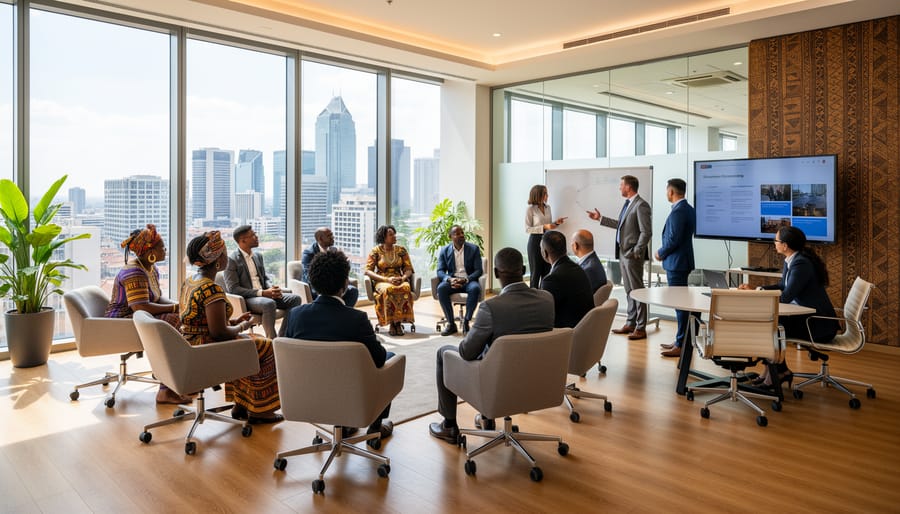
Indigenous NGOs require office spaces that extend beyond conventional boardrooms and desk arrangements. A suitable Sandton Central property should offer adaptable community areas where traditional protocols can be honoured alongside contemporary organizational needs. These flexible zones enable crucial activities such as storytelling circles, language revitalization workshops, and healing ceremonies that form the foundation of culturally grounded programming.
When evaluating potential office rentals, consider spaces with moveable furniture that can be reconfigured to accommodate circles rather than hierarchical seating arrangements. Adequate floor space allows for elder consultations and intergenerational knowledge sharing sessions where community members sit together in culturally appropriate formations. Natural lighting and ventilation also matter, as some cultural practices involve smudging or other traditional ceremonies that require proper air circulation and respectful accommodation.
The reality of operating in urban centres means finding creative solutions. Some organizations successfully negotiate lease terms allowing for ceremonial use of common areas or outdoor spaces. Others designate specific rooms for cultural activities, ensuring community members feel welcomed and respected when visiting offices in corporate districts. This balance between maintaining cultural integrity and accessing professional infrastructure demonstrates the adaptability and resilience of indigenous organizations navigating contemporary spaces.
Technical Infrastructure for Digital Preservation
Preserving indigenous knowledge requires robust technical infrastructure that respects both traditional practices and contemporary archival standards. For NGOs focused on cultural preservation, Sandton Central offices can provide access to professional-grade equipment that might otherwise strain limited budgets.
Modern digital preservation demands secure, climate-controlled storage solutions for audio-visual materials. Many office buildings in Sandton Central offer server rooms with redundant power supplies and fire suppression systems, essential for protecting irreplaceable recordings of elders’ testimonies, ceremonial documentation, and oral histories. Consider spaces that accommodate both physical archives and digital backup systems, ensuring that community knowledge remains accessible for future generations while maintaining appropriate cultural protocols around sensitive materials.
Audio-visual equipment needs extend beyond basic recording tools. Organizations digitizing historical photographs, creating educational documentaries, or conducting remote interviews with community members across vast distances require professional lighting, sound equipment, and editing facilities. Some Sandton properties include shared media rooms or can accommodate dedicated production spaces, allowing NGOs to develop high-quality educational materials without relying on external contractors who may lack cultural understanding.
Research libraries benefit from proper shelving, lighting, and workspace design. Indigenous knowledge systems often combine written materials with artifacts, multimedia resources, and digital databases. Office layouts should support researchers while accommodating community members who prefer learning through different mediums. Reliable high-speed internet connectivity proves essential for collaborative research projects, virtual community consultations, and sharing resources with remote indigenous communities, bridging geographical distances while strengthening cultural connections.
Navigating the Sandton Central Rental Market as a Non-Profit
Cost Considerations and Budget Planning
Sandton Central office rentals typically range from R150 to R400 per square meter monthly, with premium locations commanding higher rates. For indigenous NGOs operating on grant-dependent budgets, this requires careful strategic planning. A small office (50-100 square meters) might cost R7,500 to R40,000 monthly, before utilities and operational expenses.
Many indigenous organizations have found success through shared workspace arrangements, which reduce individual rental burdens while fostering collaborative networks. Co-working spaces in Sandton Central offer flexible month-to-month options starting around R3,000 per desk, allowing organizations to maintain a prestigious address without long-term commitments that might compromise program delivery.
Budget allocation requires honest community dialogue. As Nomsa Dlamini, director of an indigenous land rights organization, shares: “We asked our community whether having a Sandton office mattered to them. They wanted us accessible to decision-makers, but not at the expense of our field programs. We chose a shared space that costs 15 percent of our budget, ensuring 85 percent supports direct community work.”
Consider hybrid models combining a small Sandton presence for stakeholder meetings with a larger, affordable community-based office for daily operations. Some organizations negotiate rent-free periods, request landlord sponsorship as corporate social responsibility, or seek foundation grants specifically for operational infrastructure. The key lies in ensuring your physical location enhances rather than depletes your mission’s impact.
Building Relationships with Property Owners
When approaching property owners in Sandton Central, prepare to articulate your organization’s mission with clarity and confidence. Many landlords increasingly value tenants whose work creates meaningful social impact. Document your organization’s achievements, community reach, and stability through annual reports, testimonials from community members, and evidence of sustainable funding streams.
Corporate social responsibility initiatives present valuable opportunities. Research property management companies and building owners who publicly commit to social investment or diversity goals. Your indigenous NGO’s presence can help fulfill their transformation objectives while you gain access to prime office space. Frame conversations as mutually beneficial partnerships rather than purely transactional arrangements.
During negotiations, be forthright about your organization’s financial realities while demonstrating fiscal responsibility. Request phased payment schedules, reduced deposits, or graduated lease terms that accommodate grant cycles and funding patterns common to NGO operations. Some landlords offer preferential rates for nonprofit tenants or may consider in-kind contributions, such as community programming in building common areas.
Consider engaging indigenous elders or community representatives in property viewings when appropriate. Their perspectives on how the space can honor your organization’s cultural identity while serving practical needs strengthens your decision-making process and demonstrates to landlords the community-centered nature of your work.
Creating Culturally Grounded Spaces in Corporate Environments
Transforming a standard Sandton Central office into a culturally grounded space requires intentional planning that honors cultural identity while meeting professional needs. As Elder Mary Whitehorse from the First Nations Business Council explains, “Our spaces must breathe with the spirit of our people, even when we work within concrete walls.”
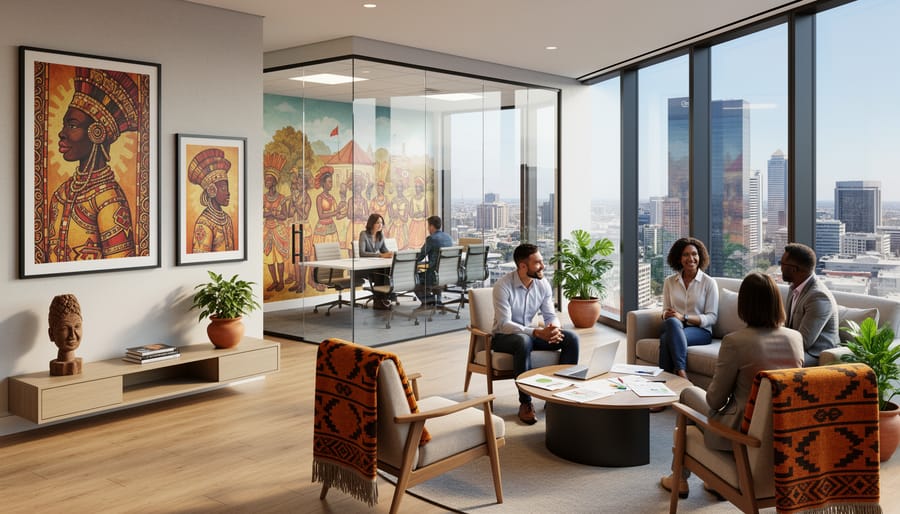
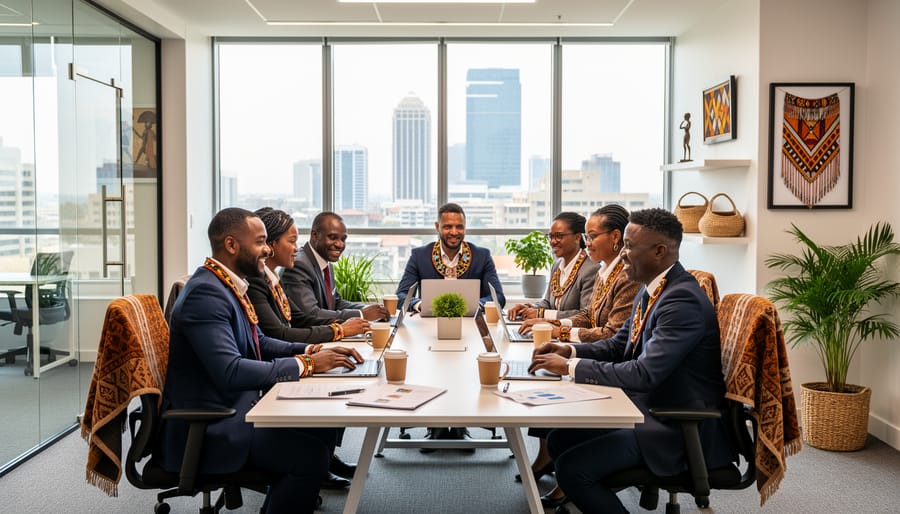
Begin by incorporating indigenous art and artifacts that tell your community’s stories. This might include commissioned works from indigenous artists, traditional textiles, or photographs documenting your community’s history and achievements. These elements serve dual purposes: they create visual connections to cultural roots while educating visitors about your organization’s heritage and mission.
Consider the physical layout carefully. Many indigenous cultures value circular gathering spaces that encourage equal participation and reflection of natural patterns. Where possible, arrange furniture to facilitate circle-based discussions rather than hierarchical seating configurations. Create a dedicated welcome area that embodies your community’s hospitality traditions, perhaps including elements like natural materials, plants native to indigenous territories, or water features that acknowledge the sacred relationship with land.
Establishing protocols for sacred or ceremonial items requires thoughtful consideration. Some organizations designate specific areas for smudging or quiet reflection, ensuring these practices remain accessible while respecting corporate building regulations. Others display ceremonial objects in ways that honor their significance without exposing them to inappropriate handling.
The key is balancing professional functionality with cultural authenticity. As urban indigenous spaces demonstrate worldwide, it is entirely possible to maintain cultural integrity within modern corporate environments. Your Sandton Central office can become a bridge space, welcoming funders and partners while remaining a genuine home for your community’s values and traditions.
Accessibility and Connection to Indigenous Communities
The decision to locate an indigenous NGO in Sandton Central requires thoughtful consideration of how physical distance might affect the vital connections between your organization and the communities you serve. While proximity to funding institutions and government offices offers strategic advantages, maintaining accessibility for community members must remain paramount.
Transportation infrastructure presents both opportunities and barriers. Sandton benefits from extensive public transport networks, including the Gautrain, multiple bus routes, and taxi ranks. However, community members traveling from townships or rural areas may face lengthy journeys and cumulative costs that create unintended barriers to participation. Organizations must budget for transport reimbursements and consider scheduling meetings that accommodate these travel realities rather than expecting communities to simply “come to the office.”
Creating genuinely welcoming spaces within corporate environments demands intentional effort. The polished lobbies and security protocols of commercial buildings can feel intimidating or alienating to community members unfamiliar with corporate culture. Elder Nomsa Sibiya, who serves on the advisory board of an indigenous rights organization, shares her experience: “When I first visited our new Sandton office, the security guards questioned me extensively. My own organization’s space felt like it belonged to someone else.” Her testimony reminds us that physical access extends beyond transportation to encompass cultural welcome.
Successful organizations counter this challenge through visible cultural markers at their entrance, culturally informed reception staff, and clear wayfinding in multiple languages. Some maintain satellite offices or regular community presence in the areas they serve, using Sandton as an administrative hub rather than the sole point of contact. Others schedule critical community consultations in accessible township venues, preserving the central office for donor meetings and administrative functions. This hybrid approach honors the principle that organizations exist to serve communities, not the reverse.
Choosing an office location transcends mere logistics—it represents a strategic declaration of presence and purpose. For indigenous NGOs, establishing a foothold in Sandton Central is not about abandoning community roots or compromising cultural integrity. Rather, it is about claiming rightful space in centers of economic and political influence, where decisions affecting indigenous communities are often made. The stories of resilience, resistance, and renewal that indigenous organizations carry deserve to be heard in every corridor of power, including the gleaming towers of Johannesburg’s financial heart.
Indigenous NGOs have historically operated from the margins, yet their work addresses issues of profound national importance—land rights, cultural preservation, social justice, and sustainable development. Positioning your organization in Sandton Central places you shoulder-to-shoulder with corporations, government agencies, and international funders, ensuring indigenous perspectives inform conversations that shape policy and resource allocation. This proximity does not diminish your connection to community; it amplifies your ability to advocate effectively on their behalf.
As you consider this decision, remember that occupying prestigious business districts is itself an act of decolonization—a refusal to accept spatial segregation that mirrors historical exclusions. Your presence in Sandton Central validates that indigenous voices belong everywhere, especially where power concentrates and futures are negotiated.