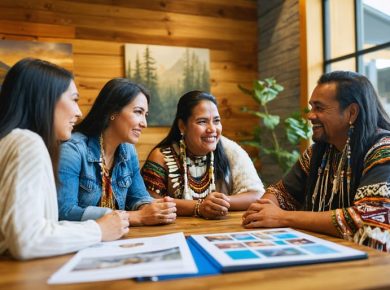
Recognize that selling Indigenous-owned property requires navigating unique legal complexities, including potential restrictions on reserve lands, treaty rights considerations, and collective ownership structures that differ fundamentally from fee-simple property systems. Contact specialized services like https://propertysaviour.co.uk that understand these distinctions while seeking guidance from your Band Council or tribal housing authority to determine which sale mechanisms apply to your specific land tenure situation.
Verify whether your property falls under the Indian Act provisions, making it subject to ministerial approval processes that can extend timelines significantly, or if it exists as fee-simple land where conventional quick-sale options remain accessible. This determination shapes every subsequent decision and prevents costly delays.
Engage with Indigenous-led housing organizations and legal advocates before signing any agreements, as predatory investors frequently target vulnerable community members facing financial hardship, health crises, or family emergencies. These culturally informed resources understand the historical context of land dispossession and help protect against exploitative practices while respecting your relationship to the land.
Document your circumstances thoroughly, including any reasons for urgent sale such as elder care needs, medical expenses, or relocation for employment, as this information helps advocates negotiate fair terms and access emergency housing supports. Many communities maintain dedicated funds or programs specifically designed to prevent forced sales and preserve Indigenous land holdings.
Explore alternatives to outright sale, including lease-back arrangements, community purchase programs, or temporary financing assistance that honor both immediate needs and long-term connections to ancestral territories. These options acknowledge that Indigenous property ownership carries cultural and spiritual dimensions beyond market value, ensuring decisions align with personal circumstances while maintaining community ties and future possibilities for your family.
Understanding Indigenous Property Ownership and Land Relationships
Historical Context: From Dispossession to Ownership
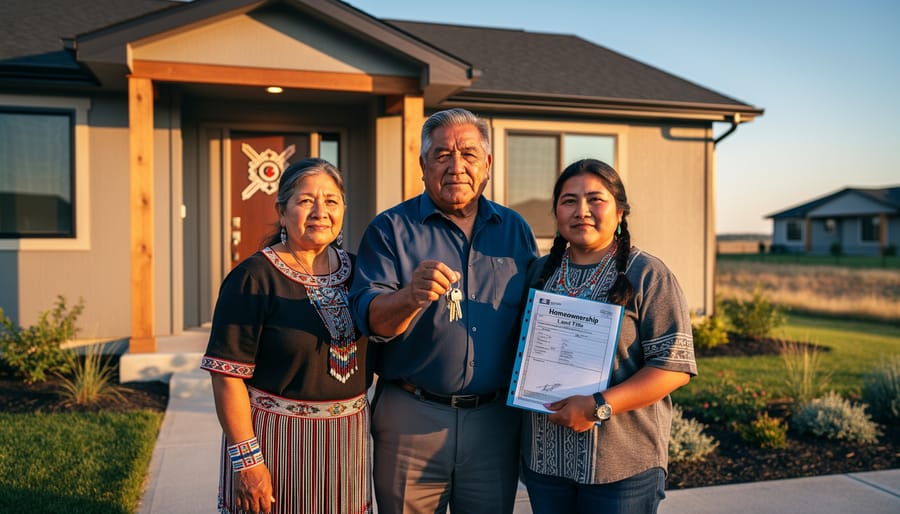
Understanding contemporary Indigenous homeownership requires acknowledging a complex history of forced displacement and systemic barriers to wealth accumulation. For thousands of years, Indigenous peoples maintained sophisticated relationships with land based on stewardship rather than ownership. Colonial policies fundamentally disrupted these connections through treaties that were often broken, reserve systems that restricted land use, and outright dispossession that severed communities from their territories. According to the Canada Mortgage and Housing Corporation, Indigenous peoples continue to experience homeownership rates significantly below the national average, a direct consequence of these historical policies and ongoing structural barriers.
The intergenerational effects of residential schools’ impact on economic stability cannot be understated. These institutions, which operated for over a century, systematically removed children from their families and communities, disrupting the transmission of financial knowledge, traditional practices, and family stability essential for building generational wealth. The resulting historic trauma continues to affect Indigenous families’ relationships with property and financial institutions today. Research from the National Centre for First Nations Governance documents how the Indian Act’s historical prohibitions on economic development and property rights on reserves created lasting barriers to capital accumulation that persist in 2026.
Despite these obstacles, Indigenous communities have demonstrated remarkable resilience in navigating homeownership. The path has included fighting for recognition of reserve lands, establishing Indigenous-led housing authorities, and creating culturally appropriate financial services. Today, Indigenous homeowners face unique circumstances when selling property, particularly on reserve lands where different legal frameworks apply. Understanding this historical context is essential for recognizing why specialized resources and culturally informed support systems are crucial for Indigenous peoples making quick home sale decisions, ensuring they can protect their interests while honoring their distinct relationships to land and community.
Types of Property Ownership in Indigenous Communities
Understanding property ownership structures in Indigenous communities is essential for anyone considering selling their home, as these frameworks directly impact the sale process, timelines, and available options.
Reserve housing represents the most common ownership structure for First Nations communities. Under the Indian Act, reserve lands are held collectively by the band, with individuals typically holding Certificates of Possession (CP) or customary interests. This means homeowners don’t own the land itself but possess rights to occupy and use specific parcels. Selling reserve property requires band council approval and adherence to community-specific bylaws, which can extend sale timelines but exists to protect community interests and the deep connections between land and identity.
Crown land arrangements occur when Indigenous individuals lease land from federal or provincial governments. These leases carry specific terms and conditions that may restrict transfers or require government consent before sale, adding complexity to quick-sale scenarios.
Fee simple ownership on traditional territories allows Indigenous homeowners full property rights similar to non-Indigenous Canadians. While this structure simplifies the selling process legally, many Indigenous owners maintain cultural and spiritual connections to these lands that influence their decision-making.
Métis settlements in Alberta operate under unique provincial legislation, where settlement members hold fee simple title to individual parcels while the settlement corporation holds communal lands. Sales to non-members face restrictions designed to preserve community integrity.
Each ownership type carries distinct legal requirements, approval processes, and cultural considerations that sellers must navigate when pursuing quick sales while respecting community protocols and sovereignty.
| Property Type | Legal Framework | Approval Required | Sale Timeline (typical) | Buyer Restrictions |
|---|---|---|---|---|
| Reserve Housing (Certificate of Possession) | Indian Act | Band council consent | 3-6 months | Band members only |
| Crown Land Lease | Federal/provincial lease agreement | Government consent | 2-5 months | Lease transfer conditions apply |
| Fee Simple on Traditional Territory | Provincial property law | None (legally) | 1-3 months | None |
| Métis Settlement | Métis Settlements Act (Alberta) | Settlement council approval for non-member sales | 2-4 months | Preference to members |
Common Circumstances Requiring Fast Home Sales in Indigenous Communities
Health Crises and Medical Needs
Indigenous communities across North America face significant healthcare access gaps, often requiring relocation from reserve lands or rural areas to access specialized medical treatment. This reality can create urgent financial pressures when families must maintain two households or relocate entirely for extended periods.
Elder Maria Whitehorse from the Tsuu T’ina Nation shares: “When my husband needed dialysis three times weekly, we faced an impossible choice—leave our home of forty years or risk his health. The travel costs and time away made keeping our property impractical.”
Medical emergencies, chronic illness management, and end-of-life care needs frequently necessitate proximity to urban medical centers. For Indigenous homeowners, this may mean quickly selling property to afford relocation, cover mounting medical expenses, or ensure appropriate care facilities. The emotional weight of leaving ancestral or reserve lands compounds these practical challenges.
Additionally, some families choose to sell quickly to fund traditional healing practices or ceremonies that complement Western medicine, recognizing the holistic approach many Indigenous peoples take toward wellness. Understanding these culturally specific health-related circumstances is essential when considering rapid home sale options within Indigenous communities.
Family and Estate Matters
When an Elder passes or family circumstances shift, Indigenous homeowners often face estate matters complicated by unique jurisdictional complexities, particularly on reserve lands where property rights may involve multiple family members, band governance structures, and federal regulations. These transitions require sensitive navigation of both legal frameworks and cultural protocols that honor kinship responsibilities and collective decision-making traditions.
Many Indigenous communities have protocols around inheritance that extend beyond Western legal systems. Elders often hold knowledge about proper procedures for transferring property within families, and their guidance proves invaluable during these transitions. However, time constraints following a death or during family crisis can create pressure for quick decisions about property sales.
Respectful resolution of estate matters requires professionals who understand that property decisions affect entire kinship networks, not just individual owners. Quick sales during these vulnerable periods need careful consideration to prevent family discord or financial exploitation. Connecting with Indigenous housing advisors, band administrators, and legal advocates familiar with estate complexities can help families navigate these transitions while maintaining cultural values around collective responsibility and intergenerational stewardship. These professionals can facilitate conversations that honor both legal requirements and community relationships, ensuring decisions serve the family’s best interests across generations while respecting traditional knowledge about property management and family obligations.
Economic and Employment Transitions
Indigenous communities face distinct economic circumstances that can necessitate rapid home sales, often rooted in systemic barriers and limited local opportunities. Many reserve and rural Indigenous communities experience persistently higher unemployment rates compared to national averages, prompting families to relocate for work in urban centers or other regions where employment prospects exist. This migration, while economically necessary, creates urgent timelines for property sales that differ from conventional market conditions.
The financial pressures experienced by Indigenous families are compounded by historical underfunding of community infrastructure, limited access to traditional banking services, and income disparities that restrict financial cushions during transitions. When employment opportunities arise elsewhere, families often cannot afford to maintain dual residences or wait for lengthy conventional sale processes.
Additionally, resource development projects, shifting community economies, and the closure of local employers can create sudden needs for entire families to relocate simultaneously. Indigenous homeowners navigating these transitions require resources that understand both the urgency of their situation and the unique legal frameworks governing property on reserves, including Certificate of Possession lands and the complexities of transfer processes under the Indian Act.
Barriers Indigenous Sellers Face in Traditional Real Estate Markets
Geographic and Access Challenges
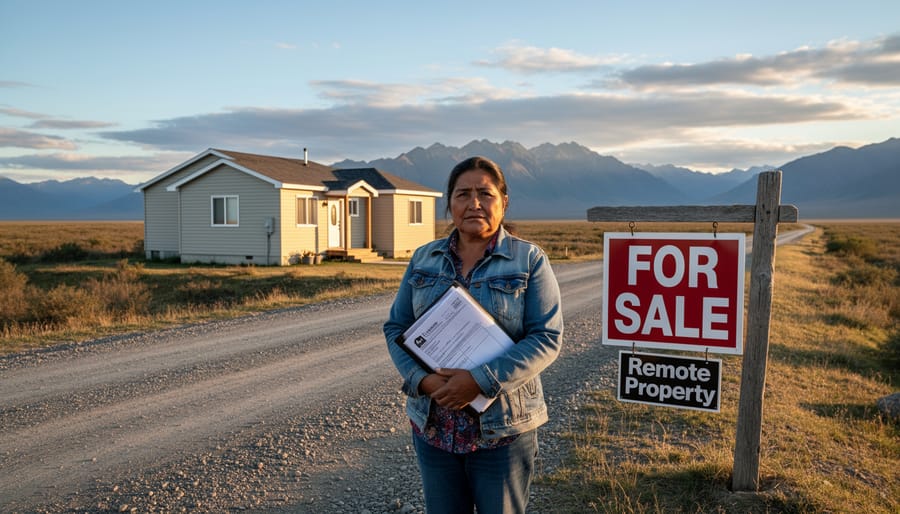
Indigenous homeowners seeking quick property sales frequently encounter geographic barriers that complicate already challenging circumstances. Many reserve lands and Indigenous communities occupy remote or rural locations, sometimes accessible only by seasonal roads, ice roads, or air travel. This physical isolation directly impacts market dynamics, creating smaller pools of potential local buyers and extending the time required to complete transactions.
Elder Sarah Whiteduck of Kitigan Zibi Anishinabeg notes, “When you live hours from the nearest city, real estate agents don’t always want to make the trip. We’ve had to become our own advocates.” This reality reflects a broader pattern: reduced availability of professional real estate services in remote Indigenous communities means fewer options for homeowners needing rapid sales.
The limited buyer pool presents additional complications. Properties in isolated communities often appeal primarily to other community members or those with existing connections to the area, narrowing market opportunities. Distance from urban centers, combined with infrastructure challenges like limited internet connectivity, can hinder online marketing efforts that might otherwise expand reach.
These geographic realities require Indigenous sellers to develop creative strategies, seek specialized resources, and often rely on community networks to navigate successful property transactions under time-sensitive conditions.
Cultural and Communication Gaps
Indigenous homeowners navigating quick property sales often encounter significant cultural and communication barriers that complicate an already stressful process. Many real estate professionals lack cultural competency training, leading to misunderstandings about Indigenous perspectives on land ownership, communal decision-making processes, and the spiritual significance of property. As Maria Whitedeer, a Lakota homeowner from South Dakota, shares: “When I needed to sell quickly due to medical bills, the agent didn’t understand why I needed time to consult my extended family and hold a ceremony. They kept pressuring me to sign immediately.”
These communication gaps extend beyond individual transactions. The standard real estate vocabulary and contracts often fail to acknowledge reserve land status, treaty rights, or Indigenous governance structures. Professionals unfamiliar with these contexts may provide inappropriate advice or overlook crucial legal considerations specific to Indigenous property ownership.
Deeper still are trust issues rooted in centuries of land theft, forced relocations, and predatory practices targeting Indigenous communities. Historical trauma creates legitimate wariness when Indigenous sellers must make rapid decisions about property—decisions that mainstream buyers and agents may not recognize as carrying generational weight. Elder James Twofeathers notes: “Our people remember when signatures on papers meant losing everything. That memory doesn’t disappear just because we’re in a hurry.”
This historical context demands that Indigenous homeowners seek professionals who demonstrate cultural understanding, patience with community consultation processes, and genuine respect for Indigenous decision-making traditions. Building trust requires acknowledging past exploitation while creating transparent, culturally responsive pathways forward.
- Understanding of Indigenous relationships with land beyond Western property concepts
- Respect for communal decision-making processes and extended family consultation
- Knowledge of treaty rights and reserve land regulations
- Patience with ceremony and traditional practices as part of the sale process
- Awareness of historical trauma and its impact on trust and decision-making
- Commitment to transparent, jargon-free communication
Indigenous-Focused Quick Home Sale Resources and Support
Indigenous Housing Organizations and Financial Institutions
Indigenous communities have developed specialized institutions that understand the unique relationship between Indigenous peoples and property, offering alternatives to mainstream real estate markets that may not serve community needs effectively.
Tribal housing authorities represent a foundational resource for Indigenous homeowners considering quick sales. These federally recognized entities, established under the Native American Housing Assistance and Self-Determination Act, operate with deep understanding of trust land complexities, tribal ordinances, and cultural considerations that mainstream institutions often overlook. Many tribal housing authorities maintain housing registries and can connect sellers with qualified Indigenous buyers seeking homes within their communities, preserving both property and cultural continuity.
Indigenous-led financial cooperatives have emerged as community-centered alternatives to conventional lending institutions. Organizations like the Native American Community Development Financial Institution (CDFI) network provide culturally responsive financial services, including assistance with property transactions. These cooperatives often employ Indigenous staff members who understand the historical context of land loss and work to prevent predatory practices that have historically targeted Indigenous homeowners.
Community development corporations focused on Indigenous communities offer additional support structures. These nonprofits frequently maintain relationships with both sellers and potential buyers, facilitating transactions that keep properties within Indigenous ownership while respecting the urgency some families face.
Elders from various communities emphasize the importance of consulting tribal leadership before engaging external buyers. As one housing director noted, “Our institutions exist because we understand that selling a home isn’t just a transaction—it’s about maintaining our foothold on land our ancestors protected.” These organizations prioritize community welfare alongside individual needs, offering pathways that honor both economic necessity and cultural values.
Legal and Advisory Services
Navigating property sales within Indigenous communities often involves complex legal considerations rooted in historical treaties, land claims, and unique ownership structures. Indigenous legal clinics provide essential support to community members facing quick home sales, offering guidance that respects both contemporary legal frameworks and traditional governance systems. These clinics understand that reserve lands, for instance, operate under distinct legislation requiring ministerial approval for certain transactions, while Métis settlements and off-reserve properties involve different processes altogether.
Organizations such as the Indigenous Bar Association maintain referral services connecting sellers with lawyers experienced in Aboriginal and treaty law. Legal Aid Ontario operates dedicated Indigenous Legal Services clinics in multiple locations, while Aboriginal Legal Services in Toronto offers specialized property law advice. In British Columbia, the First Nations Legal Clinic at the University of Victoria Law Centre provides free consultations on land and property matters affecting Indigenous peoples.
Land claims offices serve as vital resources, helping sellers understand how unresolved or ongoing land claims might affect property transactions. The federal Specific Claims Tribunal and regional treaty commissions can clarify whether proposed sales intersect with territories under negotiation or protected under specific agreements. Many Indigenous governance organizations maintain advisory services staffed by professionals who comprehend both Western legal systems and Indigenous law traditions, ensuring sellers receive culturally appropriate counsel.
Community legal workers, often Indigenous themselves, bring invaluable perspective to these transactions. They recognize how historical dispossession creates vulnerability to predatory practices and can identify red flags in purchase agreements. Several tribal councils and friendship centres maintain directories of vetted legal professionals experienced in Indigenous property matters. The Native Women’s Association of Canada and provincial Métis Nation organizations also provide referrals to trusted advisors. Seeking these specialized services helps sellers protect their interests while maintaining connections to community and land that extend beyond simple property ownership.
Access to culturally-informed legal and advisory services helps Indigenous sellers navigate complex property transactions with confidence.
Community-Based Support Networks
When facing time-sensitive property decisions, Indigenous homeowners benefit significantly from engaging with community-based support networks that understand both the practical and cultural dimensions of land transactions. Elders’ councils serve as vital repositories of traditional knowledge and governance principles, offering guidance that balances contemporary market realities with cultural values surrounding land stewardship and intergenerational responsibility.
Community advisors with experience in Indigenous property matters can help navigate the complexities of quick sales while protecting seller interests. These advisors understand treaty implications, collective land interests, and the importance of maintaining community ties even when individual circumstances require relocation. They can identify red flags in purchase agreements and advocate for fair market valuations.
Peer support networks create safe spaces where community members share experiences and recommendations. These informal networks often surface trustworthy real estate professionals, legal advocates, and financial counselors who have demonstrated respect for Indigenous sovereignty and cultural protocols. Community members who have successfully navigated urgent sales can offer practical insights about timing, documentation requirements, and negotiation strategies while maintaining cultural integrity.
Engaging these support systems early in the decision-making process helps ensure that quick sales don’t compromise long-term community well-being or individual financial security. This collective approach honors traditional decision-making practices while addressing contemporary housing challenges.
Evaluating Fast Cash Buyers: What Indigenous Sellers Should Know
Red Flags and Predatory Practices
Recognizing predatory practices becomes especially crucial when time pressures intersect with cultural vulnerabilities. Unscrupulous buyers sometimes target Indigenous homeowners experiencing financial difficulties, health crises, or grief following the loss of a family member. These buyers may pressure sellers into quick decisions without adequate time for consultation with family or community, undermining the collective decision-making traditions many Indigenous communities value.
Warning signs include unsolicited offers significantly below market value, aggressive timelines that prevent proper legal review, and reluctance to work with Indigenous housing organizations or legal representatives. Some predatory buyers exploit knowledge gaps about property rights on reserve lands or assume Indigenous sellers lack access to legal resources. They may discourage sellers from seeking independent appraisals or consulting with band councils.
Community members who have experienced these situations describe feeling rushed, isolated from their support networks, and pressured to sign documents without full explanation. Elder Mary Blackwater, a housing advocate from Treaty 6 territory, notes that predatory buyers “count on people not knowing their rights or being too overwhelmed to ask questions.”
Protect yourself by insisting on written agreements reviewed by Indigenous-focused legal services, obtaining multiple property valuations, and consulting with your community’s housing department. Legitimate buyers respect your need for time and proper guidance throughout the selling process.
- Unsolicited contact immediately after a death, crisis, or community hardship
- Offers 30% or more below market value with no justification
- Pressure to sign same-day or within hours of first contact
- Active discouragement from consulting band council or legal counsel
- Claims that “this is the only way” or “you have no other options”
- Refusal to provide a written contract before demanding commitment
- Requests to keep the sale “confidential” from family members
Questions to Ask and Rights to Assert
When considering a quick home sale, Indigenous sellers have the right to ask detailed questions and receive transparent answers. Begin by asking cash buyers about their experience working with Indigenous communities and whether they understand the unique aspects of purchasing property on reserve lands or with specific title considerations. Request references from previous Indigenous clients and verification of their business credentials and licensing.
You have the right to ask for a detailed explanation of how the purchase price was determined and to receive this offer in writing with ample time for review. Request a breakdown of all fees, and ask whether the buyer works with legal professionals familiar with Indigenous property law. Inquire about the timeline and whether you can extend it if needed to consult with family members or community advisors.
As Métis elder and housing advocate Marie Smallface reminds us, “Our decisions about property affect not just ourselves, but our relatives and future generations. Taking time to ask questions honors that responsibility.” You maintain the right to withdraw from any agreement during cooling-off periods mandated by law, to seek independent legal advice at any stage, and to refuse pressure tactics. Remember that legitimate buyers will respect your need to consult with community members, legal advisors, or family before proceeding. Your right to informed consent includes understanding every document you sign.
Community Voices: Indigenous Experiences with Fast Home Sales
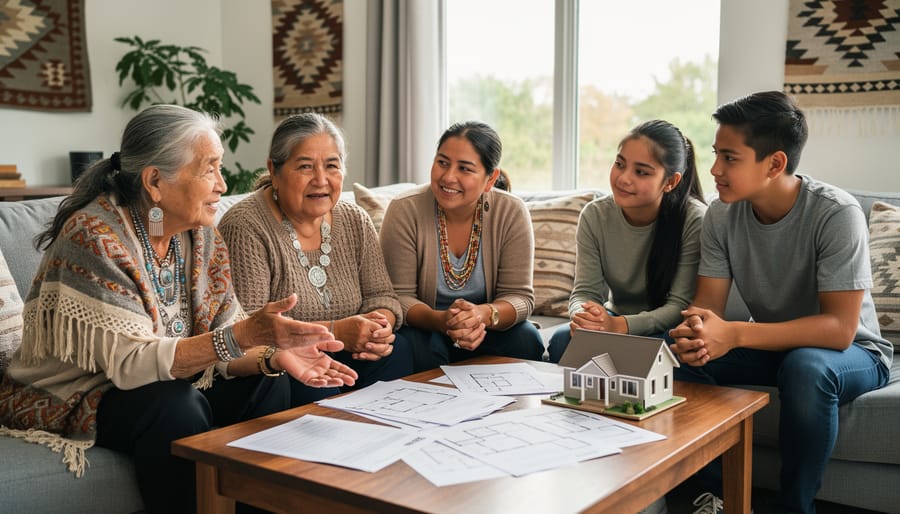
Through conversations with Indigenous homeowners who have navigated quick property sales, several common themes emerge that offer valuable guidance for others facing similar situations.
Margaret, a Cree grandmother from Alberta, shared her experience selling her home during a family health crisis. “I felt pressured by the first cash buyer who contacted me,” she recalls. “They made it sound urgent, like the offer would disappear. But I reached out to my band’s housing office, and they connected me with someone who explained my options. Taking just three extra days to understand the process saved me nearly $40,000.” Her advice to others is clear: “Even when time feels short, reach out to your community resources first. That pressure you feel? It’s often manufactured.”
Thomas, a Métis homeowner from Saskatchewan, navigated a quick sale after job relocation. He emphasizes the importance of understanding land status and its impact on sale options. “I didn’t realize how different the process would be because my property was on settlement land,” he explains. “The legal requirements were specific, and not every buyer understood them. Working with someone familiar with Métis governance structures made everything smoother.”
Several community members stressed the value of collective knowledge. Elder Rose from a First Nation in Ontario notes, “Our people have always made important decisions in community. Selling your home shouldn’t be different. Talk to people who’ve been through it. Ask your housing coordinator. Don’t walk this path alone.”
Common lessons from these experiences include: verify all buyers and their credentials through trusted community sources; understand how your property’s legal status affects the sale timeline; request written explanations of all terms before signing anything; and remember that legitimate buyers will respect your need for cultural consultation and appropriate decision-making time. These voices remind us that even in urgent situations, protecting both financial and cultural interests remains paramount.
Navigating the complexities of quick home sales requires Indigenous homeowners to be equipped with knowledge that honors both contemporary realities and cultural values. As this exploration of Indigenous quick home sale resources demonstrates, the challenges faced by Indigenous peoples in real estate transactions are deeply rooted in historical injustices, systemic barriers, and the unique legal frameworks governing Indigenous lands. Yet within these challenges lie opportunities for transformation through culturally-informed solutions.
The stories shared by community members reveal a persistent truth: Indigenous homeowners deserve access to resources that respect their sovereignty, understand their distinct relationships to land, and provide practical support without exploitation. Whether dealing with reserve lands, trust property, or fee simple ownership, Indigenous sellers benefit most from working with professionals who comprehend both the legal intricacies and the cultural considerations at stake.
The development of Indigenous-led real estate solutions represents more than market innovation—it embodies self-determination in action. From Indigenous-owned realty companies to community-based housing organizations, these resources emerge from within communities themselves, guided by traditional values and contemporary expertise. This approach aligns fundamentally with the National Aboriginal Health Organization’s mission of supporting Indigenous communities through knowledge creation and research that serves community needs.
Moving forward, the real estate sector must continue expanding Indigenous-centered resources, ensuring that quick home sales never come at the cost of cultural integrity or fair treatment. Indigenous homeowners armed with knowledge, connected to appropriate resources, and supported by their communities can navigate these transactions with confidence and dignity.