

Prioritize relationships with Indigenous-led organizations, educational institutions, and cultural centers that align with your community’s values and mission. Effective strategies for link building canada require authentic partnerships that honor traditional protocols of reciprocity and respect for Aboriginal websites. Begin by identifying existing connections within First Nations, Métis, and Inuit networks where mutual support already exists, then extend outreach to academic institutions, museums, and governmental bodies engaged in reconciliation efforts.
Document and share knowledge holders’ stories, traditional teachings, and community initiatives through compelling digital content that naturally attracts authoritative backlinks. Create resources such as language preservation guides, historical timelines developed with Elders, and educational materials that fill critical gaps in mainstream narratives. These contributions position your website as an essential reference point for researchers, educators, and journalists seeking accurate, community-approved information.
Engage with Indigenous digital collectives and tribal councils to establish reciprocal linking agreements that strengthen the entire network’s visibility. Many Aboriginal organizations face similar challenges in search rankings despite offering invaluable cultural resources. By building connections across communities—from urban friendship centers to reserve-based initiatives—you create a digital ecosystem that amplifies Indigenous voices collectively rather than competing for limited attention.
Measure success through community impact alongside technical metrics, ensuring link building efforts serve both visibility goals and cultural preservation mandates. Track not only domain authority improvements but also increased engagement from target audiences: educators incorporating your resources into curricula, researchers citing your materials, and community members accessing services. This dual focus ensures digital strategies remain accountable to the communities they represent while achieving sustainable online growth.
The Current Digital Landscape for Aboriginal Canadian Organizations
Visibility Gaps in Search Results
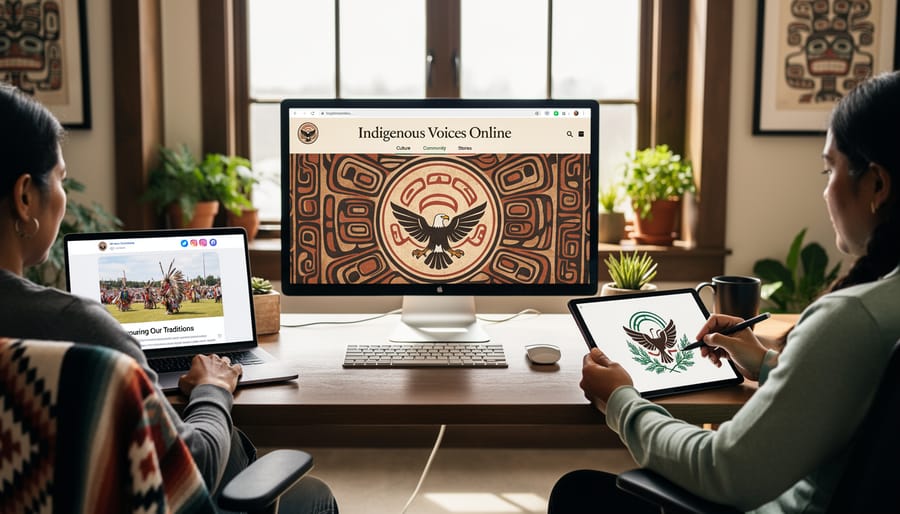
Despite their cultural and historical significance, Aboriginal Canadian websites frequently remain invisible in search engine results. When searching for terms like “Treaty 6 history” or “Métis cultural traditions,” users often encounter government summary pages or non-Indigenous educational resources before reaching community-authored content. Elder testimonies, oral histories documented by communities, and Indigenous language resources—materials that carry irreplaceable cultural knowledge—regularly appear on the third page of results or beyond, where less than 3% of searchers venture.
This visibility gap has tangible consequences. The Glenbow Museum’s digitized collection of Blackfoot photographs receives thousands of monthly visitors, while the Siksika Nation’s own archival website, containing contemporary context and family stories connected to those same images, struggles to reach audiences. Similarly, comprehensive resources on traditional ecological knowledge maintained by First Nations communities are overshadowed by academic papers that reference, but don’t link back to, these primary sources.
The pattern reflects a broader issue: websites with fewer external links, regardless of content quality, rank lower. Aboriginal organizations often lack the institutional partnerships, media coverage, and cross-linking networks that naturally generate backlinks for mainstream Canadian institutions. This structural disadvantage means the most authentic voices on Aboriginal history and culture remain effectively silenced in digital spaces where knowledge-seeking begins.
The Cost of Invisibility for Indigenous Communities
When Aboriginal Canadian websites remain buried in search results, the consequences extend far beyond missed clicks. Poor online visibility directly threatens the preservation of Indigenous knowledge systems, languages, and cultural practices that have been passed down through generations. As Elder Maria Campbell has noted, digital spaces now serve as crucial repositories where younger generations seek connection to their heritage—yet if these resources cannot be found, that vital transmission of knowledge falters.
The impact on educational access is particularly acute. Students researching Indigenous history often encounter dominant narratives first, while authentic community voices remain invisible. Teachers searching for curriculum resources may never discover the rich materials that Indigenous organizations have carefully developed, perpetuating educational gaps.
Community connection suffers as well. Indigenous peoples seeking health resources, cultural programs, or support services struggle to locate them online, fragmenting networks that should strengthen collective wellbeing. This digital marginalization undermines reconciliation efforts by limiting opportunities for non-Indigenous Canadians to engage with Indigenous perspectives, histories, and contemporary realities. When search algorithms fail to surface Indigenous content, they inadvertently perpetuate the historical erasure that reconciliation seeks to address.
Why Traditional Link Building Approaches Fall Short
Cultural Disconnects in Mainstream SEO Practices
Mainstream SEO practices often operate from fundamentally different worldviews than those held by many Aboriginal communities. The transactional nature of conventional link building—where relationships exist primarily to exchange digital authority—stands in stark contrast to indigenous protocols that view relationship-building as a sacred, ongoing process requiring mutual respect and reciprocity.
Standard link acquisition tactics frequently prioritize speed and scale over genuine connection. Mass email outreach campaigns, link exchanges without meaningful partnership, and the commodification of digital relationships can feel extractive to communities whose traditions emphasize consent, collective decision-making, and the careful stewardship of knowledge. When link builders approach Aboriginal websites merely as sources of “link juice” rather than as knowledge keepers deserving of respectful engagement, they perpetuate digital colonialism.
The concept of “earning” links through manipulative tactics or aggressive outreach directly conflicts with indigenous values around knowledge sharing. Many Aboriginal communities maintain protocols about who can share certain stories, when knowledge should be transmitted, and how information connects to specific territories and lineages. Standard SEO advice rarely acknowledges that not all content should be freely linked or widely distributed—some knowledge belongs within community boundaries and requires permission from elders or cultural authorities before external connection.
This cultural disconnect extends to metrics and success indicators. Mainstream SEO celebrates exponential growth and competitive rankings, while many Aboriginal communities prioritize sustainability, collective benefit, and the protection of cultural integrity over individual or organizational advancement.
The Problem with Extractive Digital Strategies
Mainstream digital marketing approaches frequently view indigenous content through an extractive lens—identifying Aboriginal websites primarily as “link opportunities” rather than knowledge keepers. This commodification mirrors historical patterns where indigenous knowledge was taken, repackaged, and distributed without consent or reciprocity. When link building strategies focus solely on domain authority metrics and keyword rankings, they reduce sacred teachings, traditional ecological knowledge, and community narratives to mere SEO assets.
This extractive mindset manifests in several harmful ways. Some practitioners scrape indigenous content to create “comprehensive resource pages” without meaningful attribution or relationship-building. Others pursue one-directional link acquisition, taking backlinks while offering nothing that serves community needs. These approaches fail both ethically and practically—they generate suspicion rather than partnership, and they miss opportunities for authentic collaboration that produces stronger, more sustainable digital visibility.
Elder Maria Campbell of the Métis Nation has spoken about how knowledge sharing requires relationship: “You don’t just take a story and walk away. You become part of that story’s journey.” This principle applies equally to digital strategies. When link building operates through extraction, it violates the reciprocal nature of indigenous knowledge systems. The resulting connections lack authenticity, often appearing forced or transactional to both search algorithms and human readers. Effective link building for Aboriginal websites must instead emerge from genuine relationships, mutual benefit, and respect for content as living knowledge rather than static commodity.
Community-Centered Link Building: A Different Philosophy

Building Relationships Before Links
Successful link building begins long before any outreach email is sent. For Aboriginal Canadian websites, this foundation-building phase requires particular attention to relationship protocols that honor Indigenous ways of knowing and connecting.
Start by identifying organizations whose missions genuinely align with cultural preservation, education, and community empowerment. Universities with Indigenous studies programs, provincial and national museums with Aboriginal collections, territorial governments, and cultural centers represent natural partnership opportunities. However, approaching these institutions purely for SEO benefit contradicts the reciprocal relationships valued in Indigenous communities.
Instead, consider what your organization can offer. Perhaps your archives contain historical photographs that would enrich a museum’s digital collection, or your Elder interviews could provide valuable primary sources for academic research. Educational institutions may welcome guest contributions to their course materials, while cultural organizations might appreciate collaborative content that amplifies shared messages.
Before reaching out, invest time understanding each potential partner’s work. Read their publications, attend their virtual events when possible, and identify specific projects where collaboration would create mutual value. This demonstrates respect and genuine interest rather than transactional thinking.
When making initial contact, acknowledge any territorial connections and introduce your organization’s mission before discussing any linking opportunities. Share how you envision collaboration benefiting both communities. This approach recognizes that meaningful digital connections, like all relationships, require patience, respect, and authentic commitment to shared goals beyond metrics.
Respecting Cultural Protocols in Outreach
Effective outreach for link building requires patience and genuine relationship-building that aligns with indigenous communication practices. Rather than sending mass emails or expecting immediate responses, approach potential link partners with personalized messages that demonstrate authentic understanding of their work and mission. Many Aboriginal organizations follow consensus-based decision-making processes that involve multiple community members, which naturally requires extended timelines compared to typical business transactions.
Begin by researching organizations thoroughly and identifying genuine connection points between your content and their community interests. Initial outreach should focus on introducing yourself, explaining your connection to the work, and expressing interest in collaboration without immediately requesting links. Elders and knowledge keepers often prefer in-person or voice conversations over written communication, so consider offering phone calls or video meetings when appropriate.
Respect established protocols around knowledge sharing and attribution. Some communities require formal permissions before citing their materials or establishing digital connections. Always ask about preferred communication methods, appropriate timing for follow-up, and whether your outreach should be directed to specific individuals or committees. Document these preferences carefully and honor them throughout your relationship, recognizing that building trust within indigenous communities is an ongoing commitment rather than a transactional exchange.
Strategic Link Opportunities for Aboriginal Organizations
Educational Institutions and Academic Networks
Educational institutions represent valuable partners for building authoritative links while advancing Indigenous knowledge systems. Universities and colleges with Indigenous studies programs, Native education departments, or research centers focused on Aboriginal issues naturally align with community websites’ missions.
Begin by identifying institutions offering Indigenous curriculum or conducting research in areas relevant to your content. Reach out to propose resource exchanges where your website’s primary sources, community stories, or cultural materials enhance their course offerings. Many educators actively seek authentic Indigenous perspectives to supplement textbooks, creating mutual benefit.
Collaborate with researchers studying Aboriginal history, language revitalization, or contemporary Indigenous issues. Offer community knowledge and oral histories that enrich academic work, requesting citation links in published papers and online resources. These scholarly backlinks carry significant authority while ensuring Indigenous voices inform academic discourse.
K-12 educators developing culturally responsive curriculum need reliable resources. Create educational resource pages specifically for teachers, including lesson plan supplements, primary source documents, and community-approved cultural information. Submit these to educational directories and provincial curriculum resource databases. Contact Indigenous education coordinators in school districts to feature your materials in their recommended resources, building links that serve both visibility goals and educational reconciliation efforts.
Government and Policy Portals
Government and policy portals represent valuable link-building opportunities for Aboriginal Canadian websites, particularly given the federal government’s ongoing commitment to reconciliation and indigenous rights. Crown-Indigenous Relations and Northern Affairs Canada, Indigenous Services Canada, and the Canadian Heritage department maintain extensive online resources that often link to community organizations, educational institutions, and cultural preservation initiatives.
When approaching government entities, demonstrate how your website serves public interest goals aligned with reconciliation initiatives and the implementation of the Truth and Reconciliation Commission’s Calls to Action. Provincial ministries responsible for indigenous affairs frequently maintain resource directories and partner program listings. Document how your content contributes to public education, language revitalization, or cultural understanding—outcomes that government bodies are mandated to support.
Municipal governments, especially in regions with significant indigenous populations, increasingly recognize their role in supporting local First Nations, Métis, and Inuit communities. Parks departments, libraries, and cultural services divisions often welcome partnerships that enhance their educational offerings. Rather than requesting links transactionally, propose collaborative content projects such as treaty education resources, indigenous place-name initiatives, or cultural heritage mapping projects that benefit both parties while earning natural, contextually relevant links that strengthen your website’s authority within government networks.
Cultural and Heritage Organizations
Museums, libraries, archives, historical societies, and cultural centers represent valuable partners for Aboriginal Canadian websites seeking to build meaningful digital connections. These institutions often hold collections, oral histories, and educational materials that intersect with Indigenous knowledge systems and cultural preservation efforts. When approaching these organizations, emphasize shared missions around education, historical accuracy, and community engagement rather than purely transactional link exchanges.
Begin by identifying institutions that already feature Indigenous collections or programming. The Canadian Museum of History, provincial archives with treaty documents, and university libraries with Indigenous studies departments naturally align with Aboriginal heritage content. Reach out with specific collaboration proposals: offer to review their online Indigenous content for accuracy, suggest reciprocal resource pages, or propose joint digital exhibitions that showcase community perspectives alongside archival materials.
Regional historical societies documenting local Indigenous history provide excellent partnership opportunities, particularly when community members have contributed oral histories or cultural knowledge to their collections. These smaller organizations often welcome authentic Indigenous voices to contextualize their holdings. When successful partnerships develop, they generate not only backlinks but also pathways for researchers and educators to discover your resources, strengthening both digital visibility and community representation in mainstream historical narratives.
Content Strategies That Earn Natural Links
Research and Primary Sources That Academics Need
Aboriginal Canadian websites become authoritative resources when they share carefully curated research materials with academic audiences. Oral histories, when properly documented and contextualized with community permission, offer researchers invaluable primary sources unavailable elsewhere. Creating dedicated research sections with citation guidelines helps scholars reference these materials correctly while respecting their cultural origins.
Archival materials gain visibility through detailed metadata and clear usage permissions. Communities should specify what can be shared freely versus what requires consultation, creating frameworks that protect sensitive knowledge while making appropriate resources discoverable. Including community protocols and proper attribution requirements educates researchers about respectful engagement.
Digitized historical documents, language resources, and research partnerships with universities create natural link opportunities. When communities provide transcripts, translations, or analytical frameworks alongside primary materials, they become essential stops in scholarly research journeys. This approach builds academic links authentically while maintaining community control over knowledge sharing. Consider partnering with institutional repositories that can provide stable hosting and broader academic discovery networks while respecting indigenous data sovereignty principles.
Educational Resources That Teachers Share
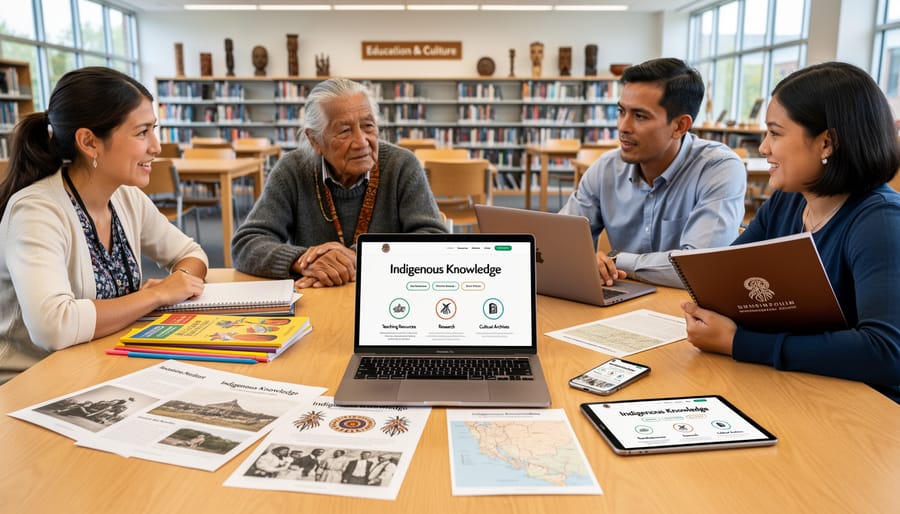
Educational resources represent one of the most effective pathways for earning authentic, high-quality backlinks while serving Aboriginal communities. When teachers search for curriculum materials about Indigenous history, treaty rights, or traditional knowledge systems, they need content developed with cultural accuracy and community involvement—resources they can trust to share truthful narratives with students.
Developing comprehensive lesson plans that align with provincial curriculum standards creates natural linking opportunities. Educators actively seek materials that meet learning outcomes while centering Indigenous perspectives. A grade 7 social studies unit on treaty negotiations, for example, might include primary source documents, discussion guides, and assessment rubrics—all developed in consultation with Knowledge Keepers to ensure historical accuracy.
Teaching materials gain traction when they address gaps in existing resources. Many educators struggle to find content that moves beyond surface-level acknowledgment of Indigenous cultures. Resources that explore specific topics—such as the impact of the Sixties Scoop, traditional governance systems, or contemporary Indigenous activism—fill critical needs and earn recommendations through professional networks.
Cultural accuracy remains paramount. Every educational resource should undergo review by community members and acknowledge the specific Nations whose knowledge it represents. This collaborative approach not only strengthens content quality but demonstrates the respect that makes educators confident in sharing these materials within their professional communities.
Interactive and Multimedia Experiences
Interactive multimedia content creates natural opportunities for link building while honoring Indigenous storytelling traditions. Virtual museum exhibits featuring oral histories, language preservation recordings, and interactive maps of traditional territories offer educational value that educators, researchers, and cultural institutions actively seek to reference and share. When Aboriginal communities share Elder interviews through video formats or create interactive timelines documenting historical events from Indigenous perspectives, these resources become essential references that naturally attract backlinks from academic institutions and educational platforms.
Audio-visual materials that document cultural practices, ceremonies (where appropriate and permitted), and contemporary community initiatives provide authentic content that distinguishes Aboriginal websites from generic sources. Interactive storytelling formats—such as digital storybooks combining traditional narratives with contemporary illustrations, or virtual tours of significant cultural sites—engage diverse audiences while encouraging organic sharing across social media and educational networks. These multimedia experiences must center Indigenous voices and maintain community control over cultural knowledge, ensuring that link-building success aligns with cultural protocols and supports broader goals of education and preservation rather than exploiting sacred or sensitive content for visibility alone.
Practical Outreach Tactics for Aboriginal Organizations
Crafting Culturally Appropriate Outreach Messages
When reaching out to potential link partners, your initial message should reflect the same respect you would show when entering a community gathering. Begin by introducing your organization authentically, sharing your mission and connection to Aboriginal communities. If you have Indigenous team members or advisors, acknowledge their involvement with permission.
Your outreach template should explain how the partnership benefits both parties while respecting reciprocal relationships central to many Indigenous cultures. Rather than focusing solely on SEO metrics, emphasize shared values like cultural preservation, education, or community empowerment. For example: “We noticed your organization’s work in language revitalization aligns with our educational resources. We believe our communities would benefit from connecting these initiatives.”
Keep messages concise and transparent about your request. Acknowledge the recipient’s expertise and the time they’re giving you. Include specific examples of their content you found valuable, demonstrating genuine engagement rather than mass outreach.
Consider these elements for culturally appropriate messaging: state your intentions clearly upfront, offer something of value before asking for links, respect that relationship-building takes time, and provide easy ways to decline. Remember that some communities prefer phone calls or in-person meetings over email, so offer multiple contact options when possible. Always follow up respectfully if you don’t receive an immediate response, understanding that community priorities may shift based on seasonal activities or cultural events.
Building Long-Term Partnership Pipelines
Sustainable link building for Aboriginal Canadian websites requires patience and systems that honor the natural pace of relationship development. Rather than pursuing quick wins, establishing structured approaches for long-term partnership cultivation reflects indigenous values of relationship-building and reciprocity.
Begin by creating a relationship database that tracks more than contact information. Document shared interests, past interactions, community connections, and cultural protocols specific to each potential partner. Note whether organizations have existing relationships with indigenous communities, their track record on cultural issues, and alignment with your website’s mission. This comprehensive view helps prioritize outreach efforts toward partners who demonstrate genuine interest in Aboriginal perspectives.
Implement a tiered engagement system that recognizes relationships develop through stages. Initial connections might involve sharing content or participating in comment sections. Mid-stage relationships could include collaborative research projects or resource exchanges. Advanced partnerships might lead to co-authored content, joint educational initiatives, or reciprocal linking arrangements. Each stage requires different approaches and timeframes, acknowledging that trust cannot be rushed.
Regular touchpoints maintain relationship momentum without overwhelming potential partners. Quarterly newsletters highlighting new research, annual reports celebrating community achievements, or invitations to cultural events keep your organization present in partners’ awareness. These communications should offer value rather than requests, demonstrating commitment to mutual benefit.
Consider appointing a relationship coordinator who understands both digital strategy and cultural protocols. This role bridges technical link-building objectives with community-centered relationship practices, ensuring outreach remains respectful and authentic throughout the partnership development process.
Measuring Success Beyond Traditional Metrics
Evaluating link building success for Aboriginal Canadian websites requires looking beyond traditional SEO metrics to embrace measures that reflect community values and cultural objectives. While domain authority scores and referral traffic remain relevant indicators, they tell only part of the story when your mission centers on cultural preservation, education, and reconciliation.
A comprehensive framework begins with standard performance indicators: organic search visibility improvements, referral traffic from quality sources, and engagement metrics like time on page and return visitor rates. These numbers demonstrate whether your content reaches broader audiences. However, equally significant are qualitative measures that honor the deeper purpose of this work.
Educational reach can be assessed by tracking which resources receive links from academic institutions, school curriculum materials, and educational platforms. When educators link to your content as a teaching resource, this validates both its accuracy and its contribution to truth-telling in Canadian classrooms. Similarly, links from government agencies, museums, and cultural institutions signal recognition of your work’s authority and importance.
Community engagement indicators include participation in collaborative projects, invitations to contribute to knowledge-sharing initiatives, and citations in research that advances Indigenous scholarship. Monitor whether communities you serve access and share your resources, as community validation holds greater weight than external metrics alone.
Perhaps most significantly, consider your contribution to reconciliation goals. Are your partnerships building bridges between Indigenous and non-Indigenous organizations? Do your linked relationships support capacity building within Indigenous communities? Are you amplifying voices that have been historically marginalized?
Document partnership stories alongside numerical data. When a provincial educational board links to your language preservation resources, that represents both an SEO win and meaningful progress toward cultural revitalization. This holistic evaluation honors both the practical and profound dimensions of your digital presence.
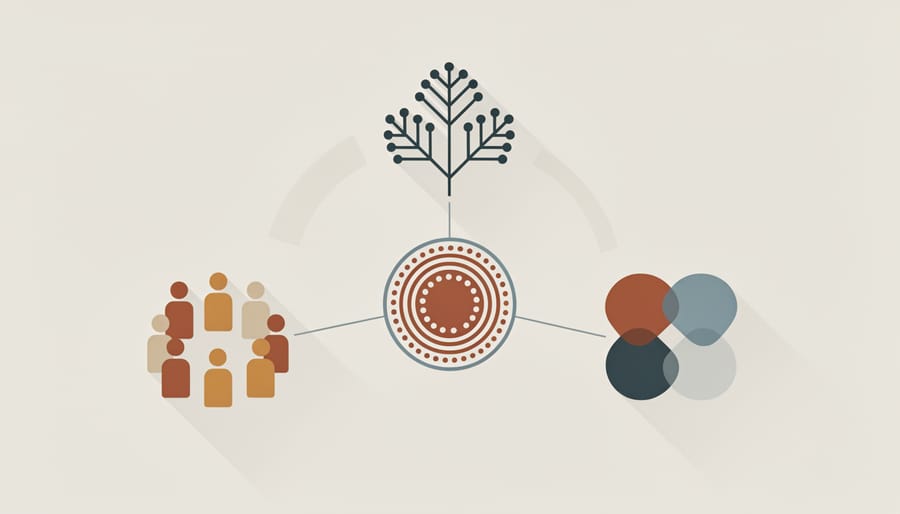
Building meaningful digital visibility for Aboriginal Canadian websites requires us to fundamentally reconsider how we approach link building. Rather than treating it as a series of transactional SEO tactics focused solely on search rankings, we must embrace a paradigm that centers relationships, reciprocity, and respect for indigenous values. This shift honors the reality that Aboriginal communities have always thrived through networks of connection and mutual support, principles that naturally extend into the digital realm.
When Aboriginal organizations and cultural institutions improve their online visibility through authentic partnerships, they accomplish far more than better search rankings. Each quality link represents a bridge that carries forward the vital work of cultural preservation, enabling knowledge keepers to share traditional teachings with broader audiences. These connections support educational initiatives that counter historical misrepresentation and create spaces for truth-telling. In this light, link building becomes part of the larger journey toward reconciliation, creating digital pathways that allow indigenous voices to be heard on their own terms.
Organizations need not feel overwhelmed by the prospect of beginning this work. Start small and stay authentic. Reach out to one compatible organization for a genuine conversation about shared goals. Participate meaningfully in one community discussion. Share one story that reflects your mission. These modest steps, grounded in respect and relationship-building, create foundations for sustainable growth. Remember that indigenous communities have sustained themselves through thousands of years by honoring connections and building networks of trust. Let these time-tested values guide your approach to digital visibility, and you will create something lasting.


